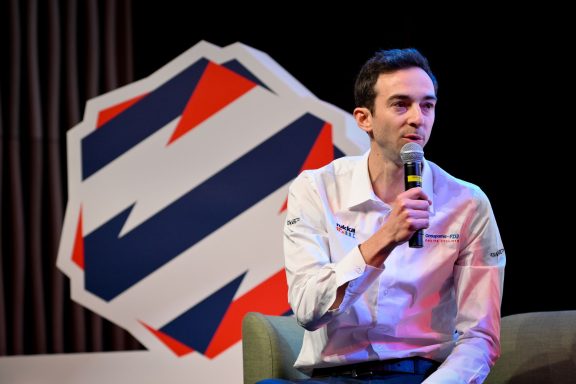

For several years now, nutrition in professional cycling has undergone considerable evolution and is today considered as a key factor in performance. Yet one staple has resisted innovation for generations: pasta. Lucas Papillon, nutritionist for the Groupama-FDJ United cycling team, explains its role, how it is used, and the new nutritional approaches surrounding this iconic food.
The cyclist who eats pasta: really just a myth?
Cycling races have been tough and long since the birth of the sport, but today they have become tough, long, and intense. It is the ultimate sport in which energy reserves are a cornerstone of performance. And to maintain them, there is no secret: carbohydrates are essential. Among the main food sources are grains such as rice, quinoa… and of course pasta. Pasta provides high-quality complex carbohydrates that are particularly well suited to the demands of the sport.
Eating pasta is the simplest way to replenish energy stores. It remains a pillar of the elite cyclist’s diet for this scientific reason, but also because of its taste appeal. It is a popular food that can be prepared with a wide variety of side dishes, sauces, and shapes. There is no monotony, and it combines practicality with pleasure. So this myth is not really a myth at all. It is a well-established reality: pasta is an essential part of a professional cyclist’s daily life.
Pasta, but not only pasta…
In the past, pasta was considered the be-all and end-all of sports nutrition. Today, that cliché has disappeared. Pasta alone does not guarantee nutritional success from start to finish in a race, but it provides the foundation that allows riders to begin in optimal condition. What has evolved is the nutritional support during the race itself, all the way to the finish line. The main breakthrough of the last ten years also lies in the control of quantities. The goal is to maintain good energy reserves while avoiding both under-eating and excess, which can also be counterproductive. Much greater attention is now paid to the synergistic aspect of meals: are there the right vegetables, fruits, and proteins? Are the athlete’s needs for acid-base balance and functional fats being met? Pasta is therefore only one component of the nutritional pyramid.
Riders are not contractually required to eat pasta every day! Nevertheless, it is offered every evening at dinner in self-service format. If a rider wants to eat it seven days in a row during a race such as Paris–Nice, for example, they can, but there is always an alternative grain available. In practice, during a seven-day event, riders eat pasta at dinner at least five times. Snacks, on the other hand, are the same for everyone, and pasta is the basis of those meals about half the time.
By the way, what kind of pasta?
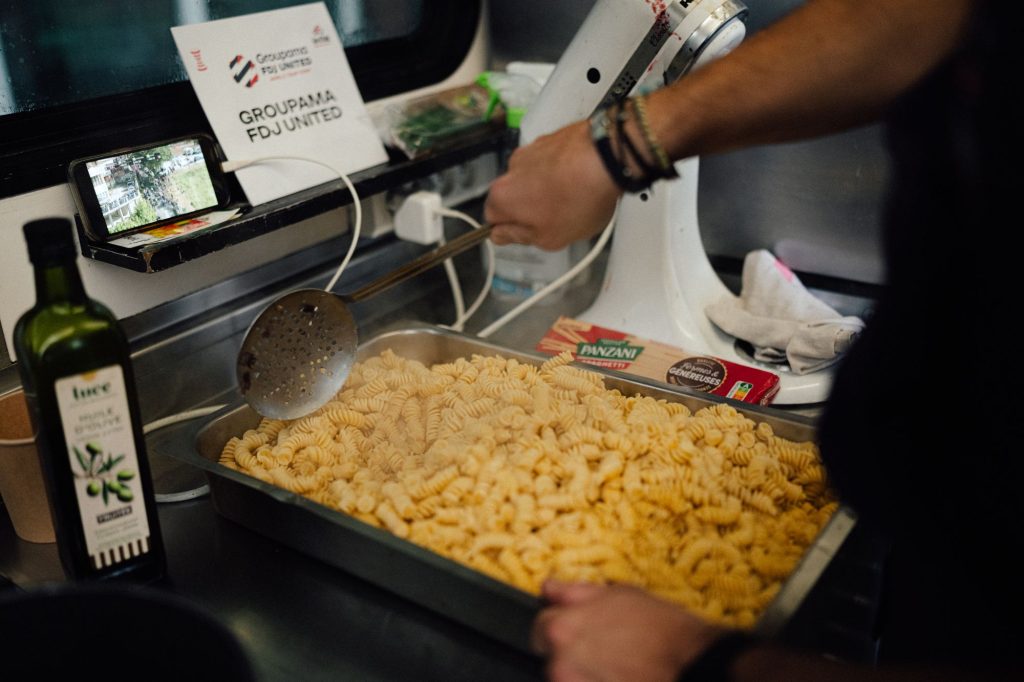
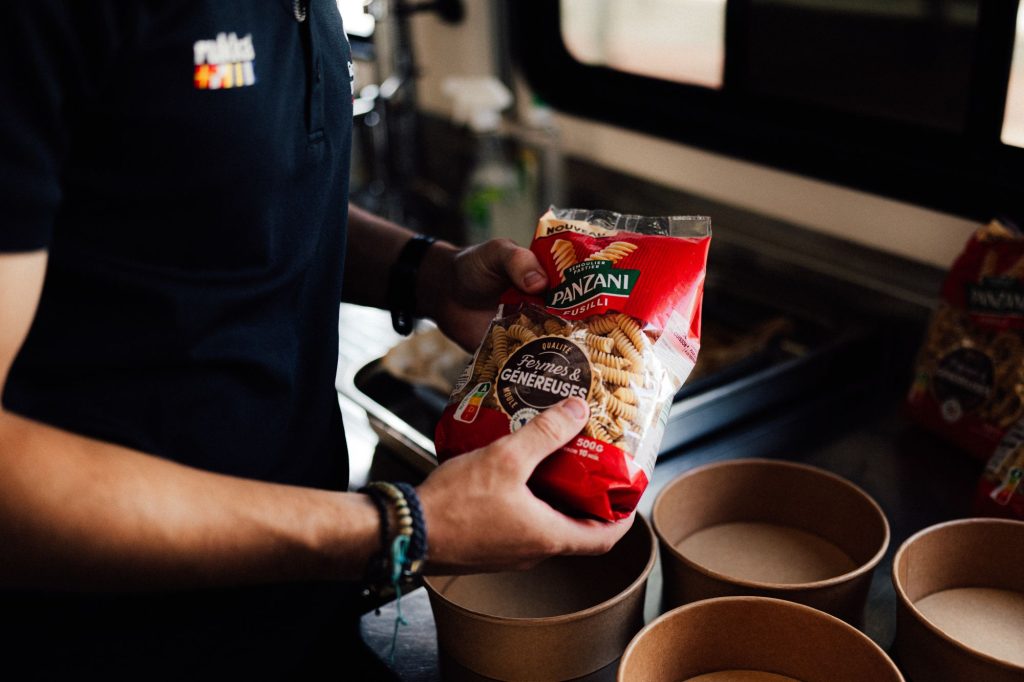
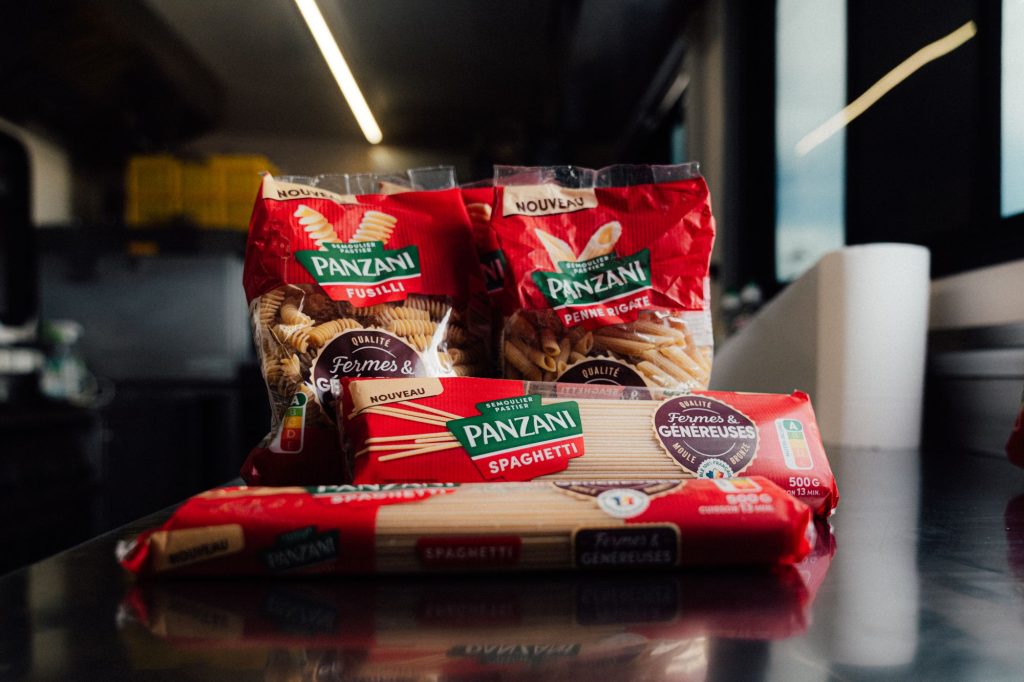
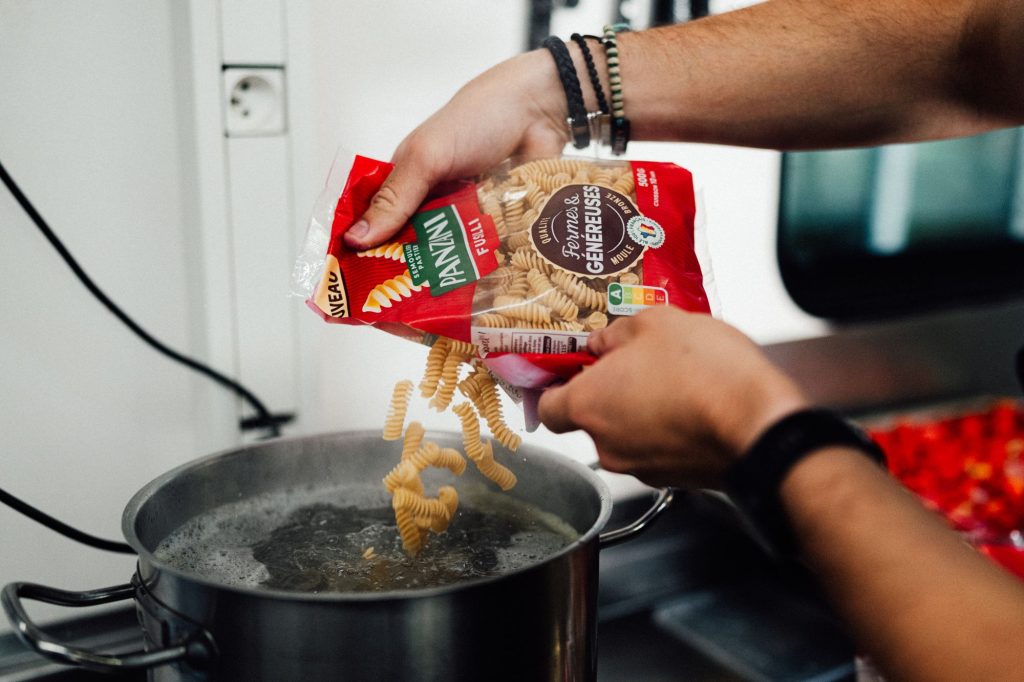
We pay very close attention to the quality of the wheat and flour because we are looking for high nutritional density. Beyond the energy supply, there is also a functional aspect, as athletes need trace elements and minerals. We are also very attentive to our riders’ health. Using responsible supply chains, particularly from organic farming, helps reduce exposure to contaminants and endocrine disruptors as much as possible. In this context, Panzani provides us with high-quality flour made from wheat selected from farmers committed to soil-friendly agricultural practices. Then comes the organoleptic dimension. In other words: taste pleasure. For example, the “Fermes et généreuses” range we use is made using bronze molds, which gives the pasta a firmer and rougher texture. It is important that the product is enjoyable because eating a large plate of pasta should never feel like a burden for the rider when the situation calls for it.
The “Fermes et généreuses” range uses high-quality white flour that meets our needs, but we also use semi-wholegrain pasta, as our choices vary depending on the time of the season. During competition, the goal is to limit fiber intake in order to improve digestibility, since racing follows soon afterward. During training camps, on the other hand, we can prioritize nutritionally richer pasta made from wholegrain flour, which is technically superior but slower to digest. We therefore alternate between two types of pasta depending on the goals and demands.
Customized portions
Individualization is now essential because everyone’s needs are very different, and every detail matters when seeking marginal gains with each athlete. Broadly speaking, the differences are physiological: muscle mass, hormonal status, and basal metabolism. Some athletes are heavy consumers, while others need less, partly due to their muscle fiber composition or endurance capacity. There are always exceptions, but generally speaking, a climber or time-trialist eats more than a sprinter or puncheur.
Likewise, if a rider is in a period of frequent racing, their basal metabolism may be higher. During development phases involving heavy workloads and high intensity, energy demands also become much greater. The same athlete may therefore eat more or less depending on the physiological demands of each period. Energy expenditure can also vary enormously during a Grand Tour. Between a short transition stage and a major mountain stage with 5,000 meters of elevation gain, energy expenditure can double. Naturally, nutritional intake is adjusted accordingly, and the pasta portion may also double.
The chef: the indispensable “ingredient”
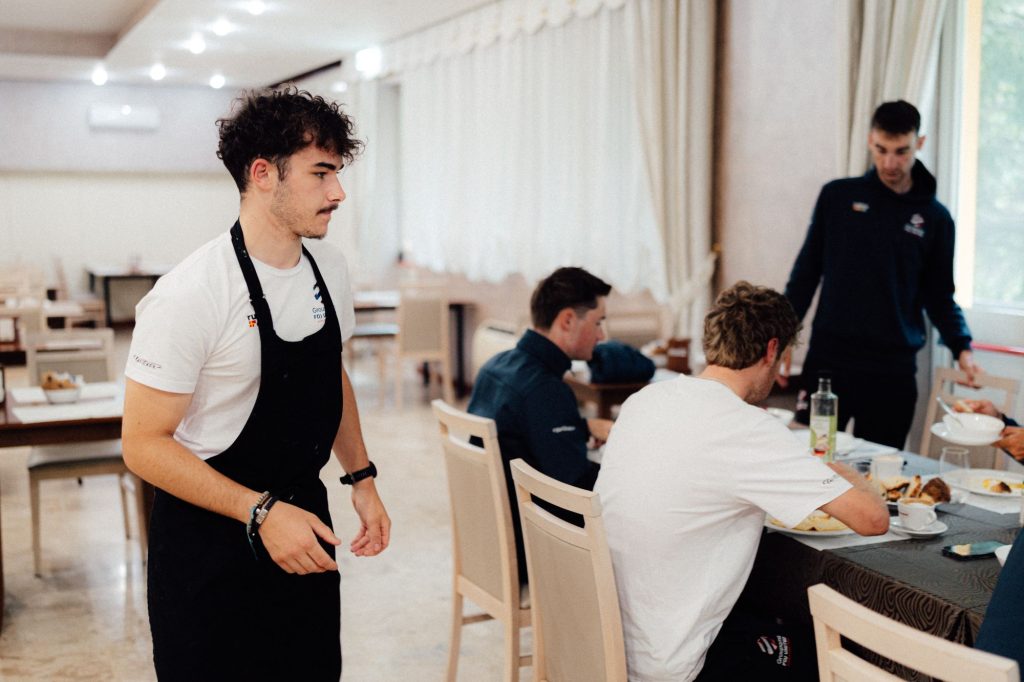
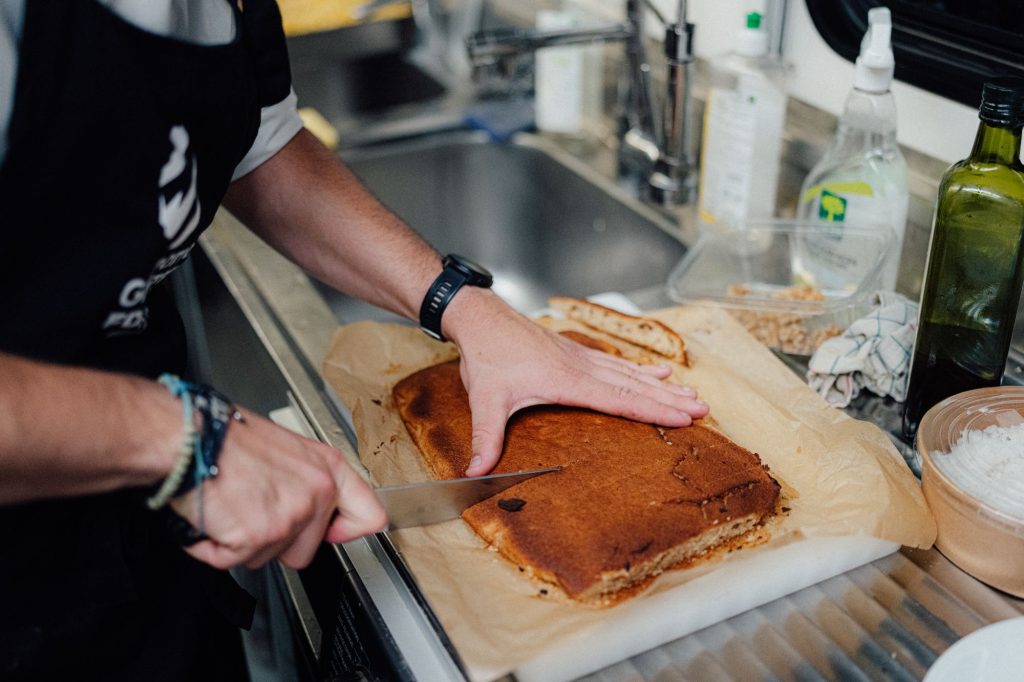
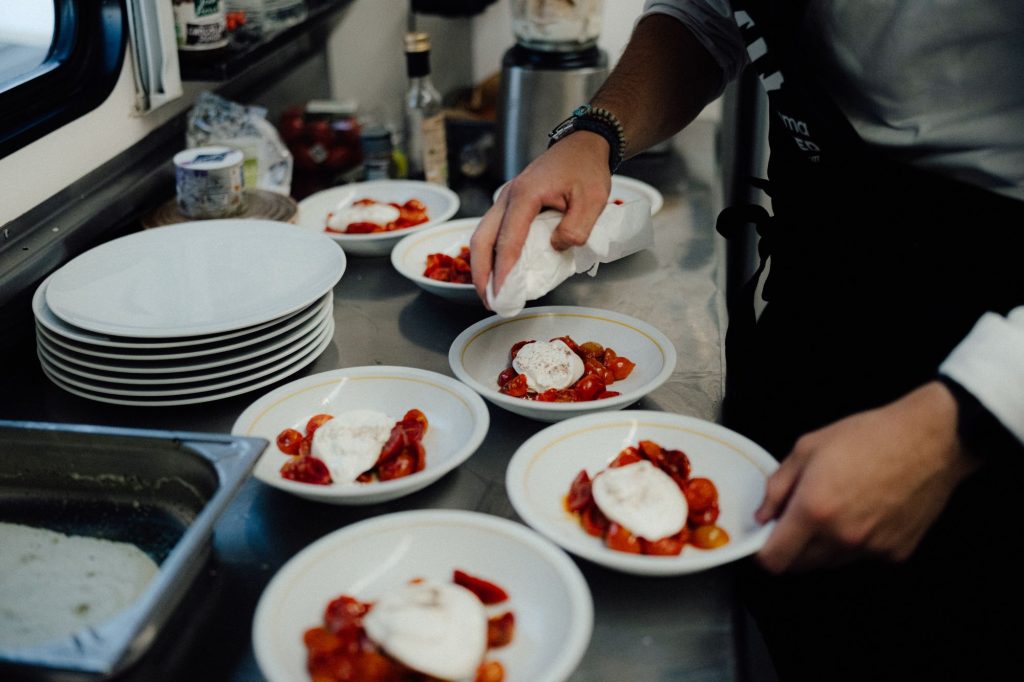
We try to supervise athletes as closely as possible during their preparation periods at home, but when race day arrives, we work hard to control nutritional intake as effectively as possible, both quantitatively and qualitatively. In this respect, having a chef gives us much greater support capabilities than relying on hotel menus. Today, the chef’s presence is indispensable in the nutritional strategy because it allows us to maintain full control over everything the athlete consumes.
Within the team, we place great importance on the psychological dimension of nutrition and want dietary strategies to remain enjoyable. Before races, the team’s nutritionists prepare a framework, as non-prescriptive as possible, adapted to the demands of each stage, considering vegetables, fruits, and protein sources to include on the menu. The challenge is for chefs to possess sufficient nutritional knowledge and feel comfortable working with technically oriented menus.
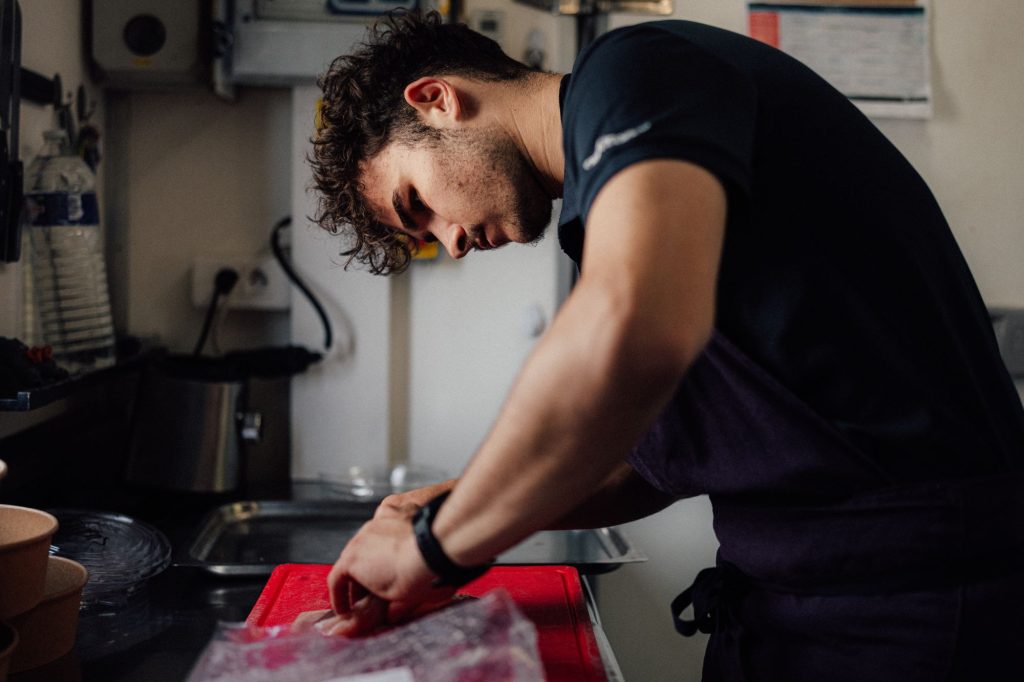
However, each person is expected to bring their own expertise to the table. It is therefore up to the chefs, thanks to their know-how, to take ownership of this framework and elevate the menus with gourmet recipes, homemade preparations, and appetizing presentation. The ambition is to create meals of outstanding nutritional quality while also offering restaurant-level taste and visual appeal. The entire challenge lies in this daily collaboration with the chefs, ensuring alignment on all these aspects. Because, once again, eating should never be a constraint for the athlete.
Oh, and if you’ve read the whole content and made it this far, the answer is… Yes, we’re supplied with a tonne of pasta every year 😇