
Cycling can seem confusing at first, we know that. While the winner of the race is, naturally, the rider who crosses the finish line first, many of the sport’s tactics, phenomena, and rules are far from intuitive. Here are our answers to five questions every new Tour de France fan asks.
Why doesn’t the stage winner take the yellow jersey?
If you’re asking yourself that question, chances are you’re just discovering our wonderful sport! And honestly, we hear it all the time 😂 There is one situation where it always happens, though: the winner of the opening stage also takes the yellow jersey, because he’s automatically leading the overall standings. That’s simply because no time gaps exist between riders before the race has even begun. The general classification is based on the cumulative time since the start of the race. As the Tour goes on, whether in the mountains or on the flat, time gaps naturally appear between riders. A rider can win a stage while still sitting behind in the overall standings if he had already lost too much time beforehand. On the other hand, the rider in yellow can have a pretty quiet day and still keep the jersey, as long as his rivals don’t gain enough time. So yes, a stage winner can take the yellow jersey, but it’s definitely not automatic. And hey, winning a Tour stage is already a pretty big deal, isn’t it?
Why do riders go in breakaways?
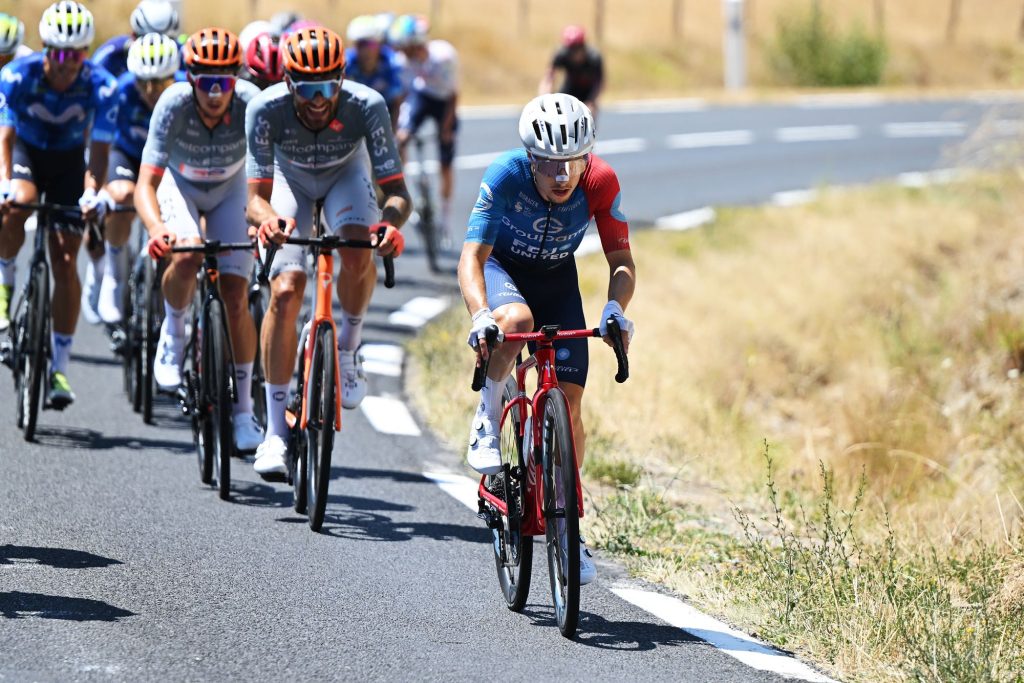
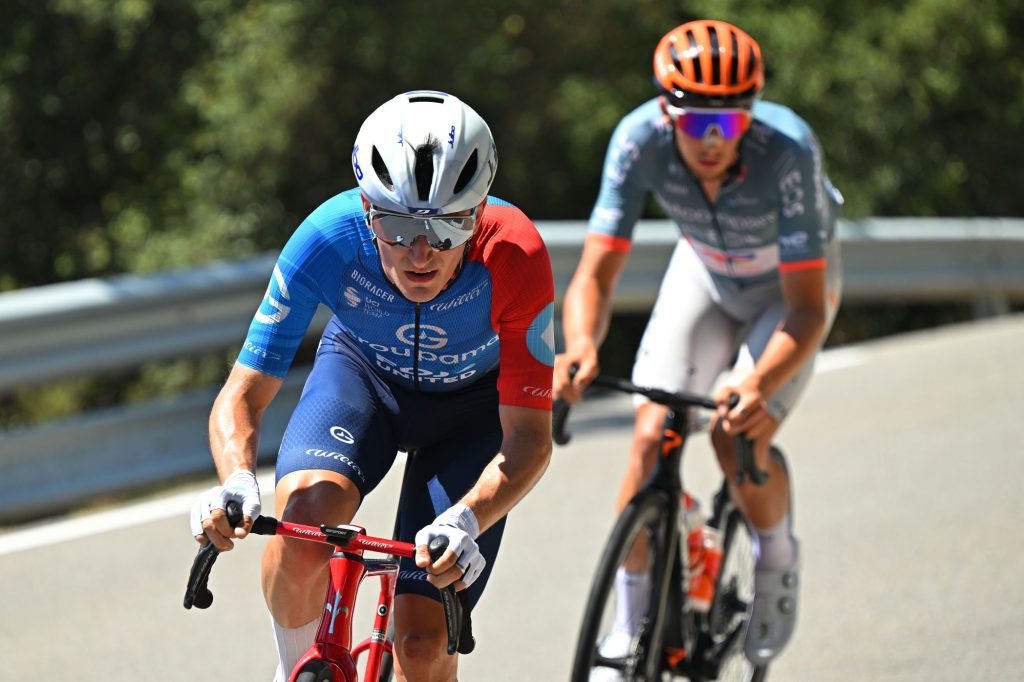
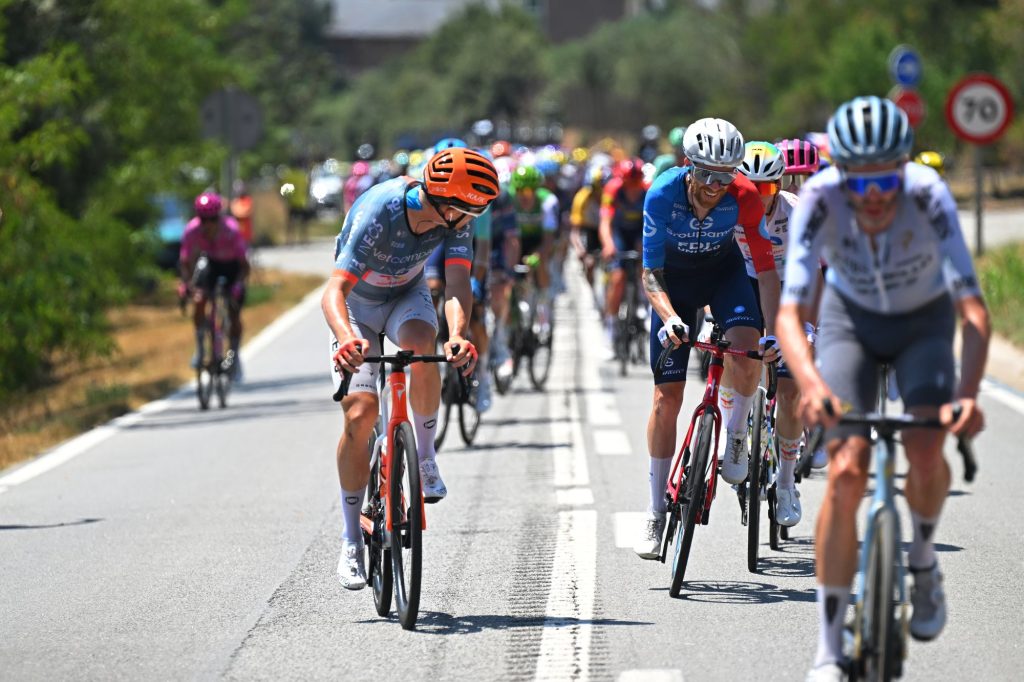
Because they get bored in the peloton. That could almost be a legitimate answer, and it has probably applied to a few riders over the years, but breakaways actually happen for a variety of reasons. Going on the attack and riding several minutes ahead of the peloton guarantees exposure. It’s a great way to put yourself and your team in the spotlight, while also collecting prizes available along the route. BUT a breakaway isn’t just a publicity stunt. Very often, riders attack because they genuinely believe they can win the race. Knowing they probably can’t beat the strongest riders head-to-head in the peloton – on pure legs, as we like to say – they try to get ahead by anticipating the race. Sometimes the peloton lets them go. Sometimes it doesn’t. At this year’s Tour de Suisse, for example, Romain Grégoire had to fight all the way to the line to beat his fellow escapees while also holding off Tadej Pogačar and the charging peloton. And let’s be honest: the best racing scenarios are usually the ones where the breakaway survives.
Do you race for the rest of the year too?
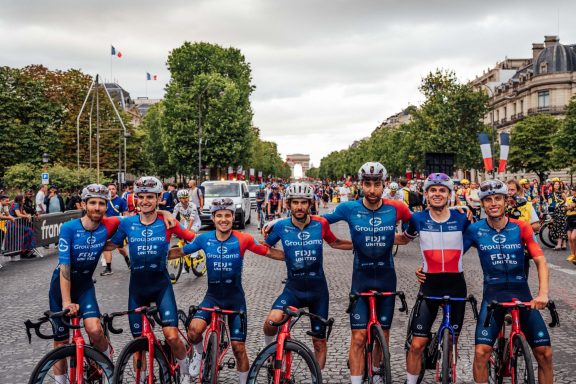
Nope. Riders are only employed to race the Tour de France! Just kidding. The cycling calendar is much, much bigger than the Tour alone. In fact, the season traditionally starts in January and runs all the way through October. You’ve probably already heard of a few races yourself: Paris–Roubaix, Paris–Nice, the Giro d’Italia… Ring a bell? To give you an idea, our team, Groupama-FDJ United, competes in more than 200 race days every year, split between stage races and one-day races. Most of the calendar takes place in Europe, but we also race in Australia, China, Canada and even the Arabian Peninsula. The schedule is actually so packed that a WorldTour team typically has around thirty riders on its roster. There are multiple races, and multiple objectives happening at the same time. While some riders are racing in Belgium, others might be competing in Spain or Italy. Bonus fact: around 95% of professional cycling races are broadcast on TV. So… ready to follow us after the Tour de France?
Why do riders stay in a peloton?
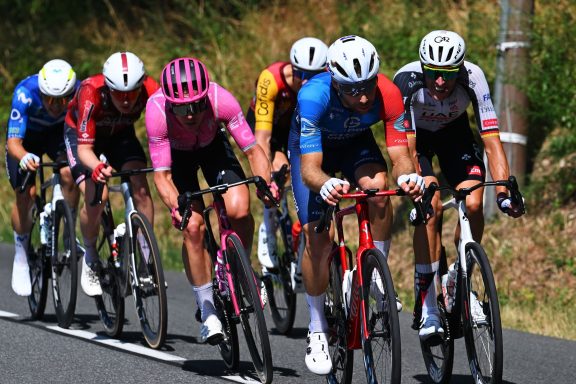
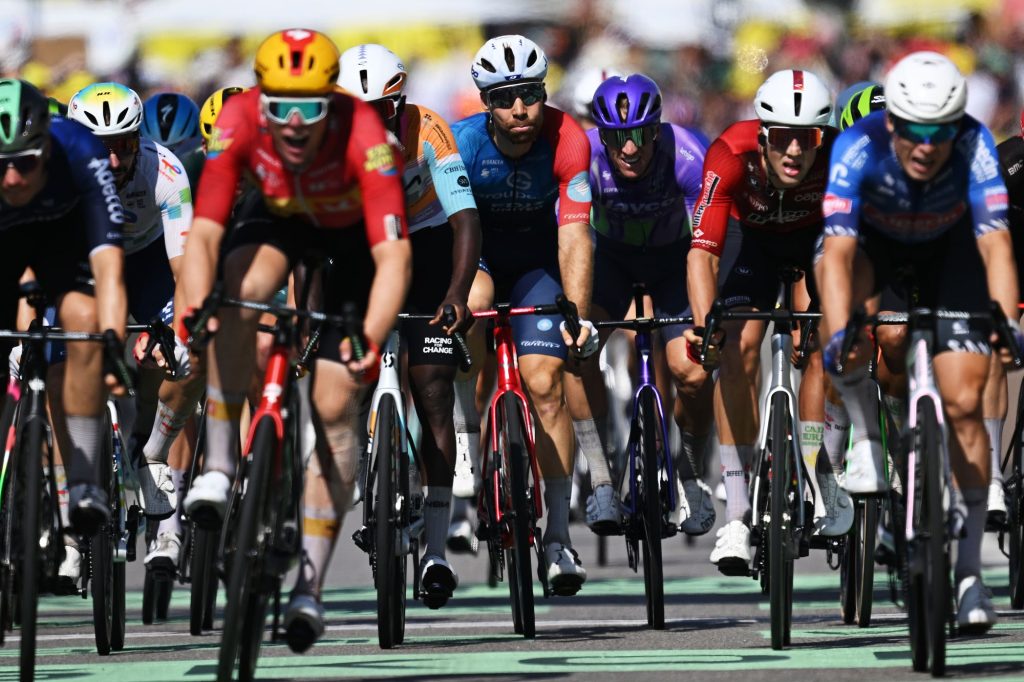
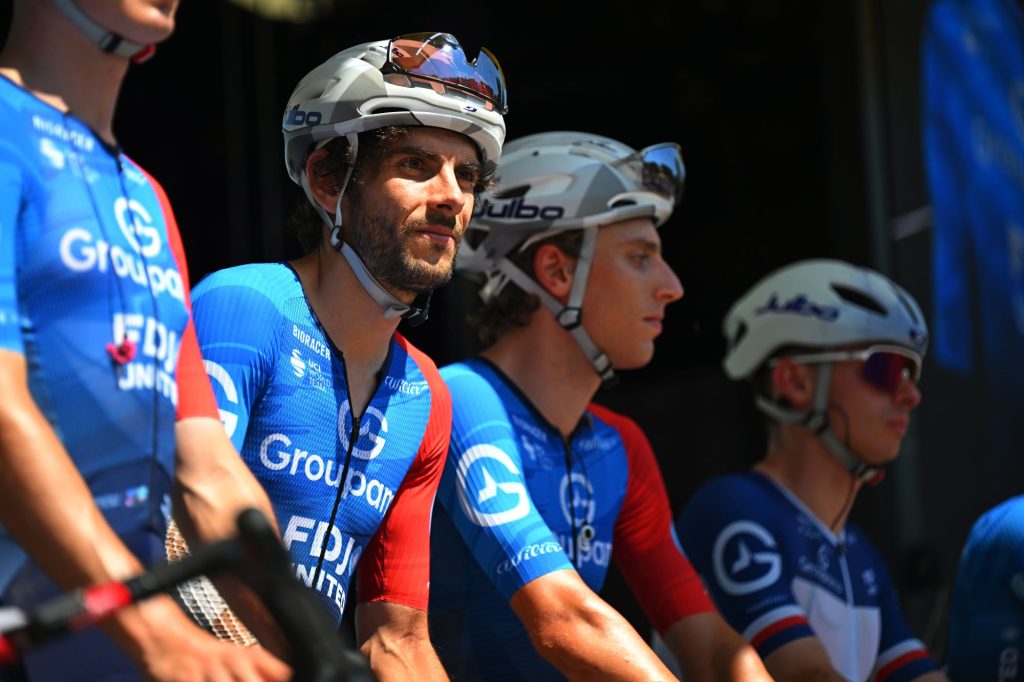
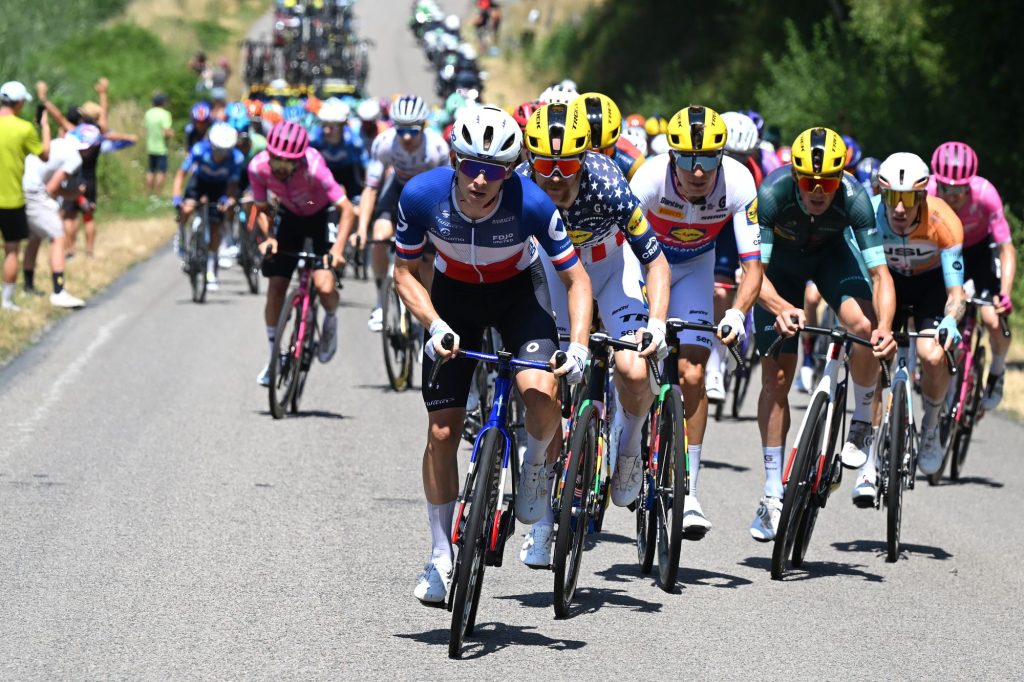
Hang on, let me grab my high school Physics notes! Riding together in a peloton, that tightly packed group of riders, is one of the absolute basics of cycling. The reason is incredibly simple and can be summed up in one word: drafting. Cycling is an outdoor sport, which means riders constantly deal with the elements, and especially the wind. If you’re sheltered behind another rider, you feel much less wind resistance and use significantly less energy. On a flat road, only a handful of riders at the very front of the peloton are doing the bulk of the work. Everyone behind them benefits from the slipstream created by the riders ahead. This allows teams to save their leaders’ energy so they can perform at their best when it really matters later in the race. You’ll also notice that riders from the same team often stick together within the peloton. For exactly the same reason: the better protected a rider – usually the team leader – is by their teammates, the less energy he has to spend. And finally, riding in a peloton also brings a bit of order to the race. It would be pretty hard to follow if everyone was scattered all over the road all the time. That’s already what happens once the racing really kicks off.
Aren’t domestiques allowed to win?
First of all, if you already know the difference between a domestique and a team leader, you’re not a complete beginner anymore! Traditionally, a team is indeed built around one leader – the rider expected to deliver the big results – and several teammates whose main job is to support him throughout the race: the domestiques. Supporting the leader is their primary mission, but that absolutely doesn’t mean they never get opportunities of their own. Quite the opposite. Especially in Grand Tours, domestiques are often given the freedom to join breakaways. Not only are they allowed to win, but sometimes winning a stage is exactly what the team expects from them. It’s not even stepping outside their role, as every rider still carries that instinct and desire to win. If the team leader is not on his terrain, having an off day, or has abandoned the race, the domestiques can suddenly become stage hunters. And honestly, there aren’t many better sights in cycling than seeing a loyal gregario raise his arms in victory. The unsung hero finally gets the reward he deserves.