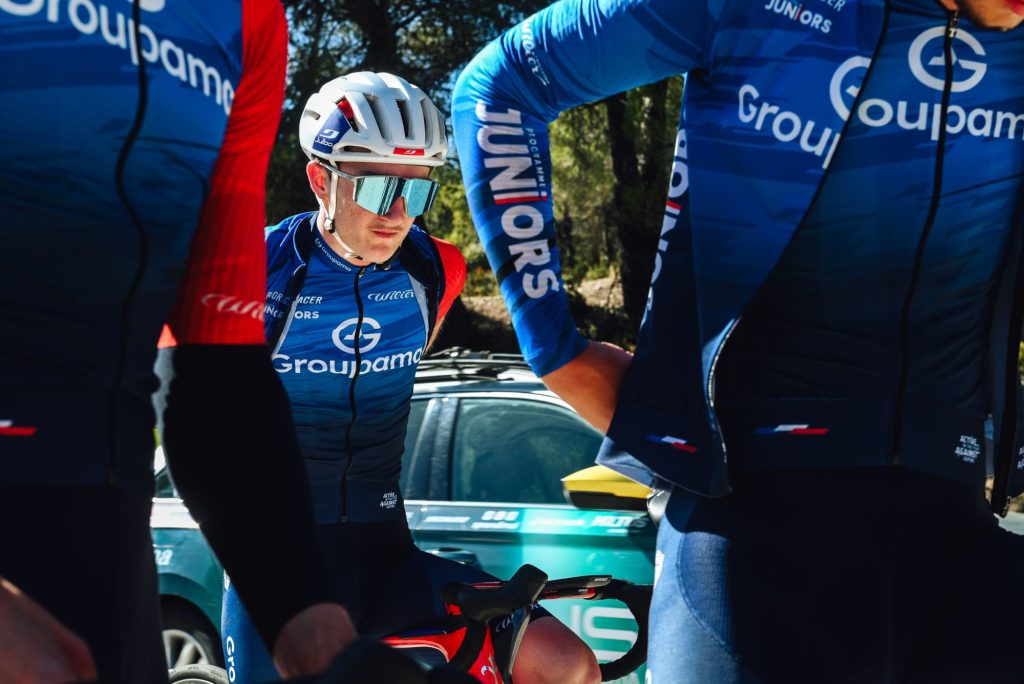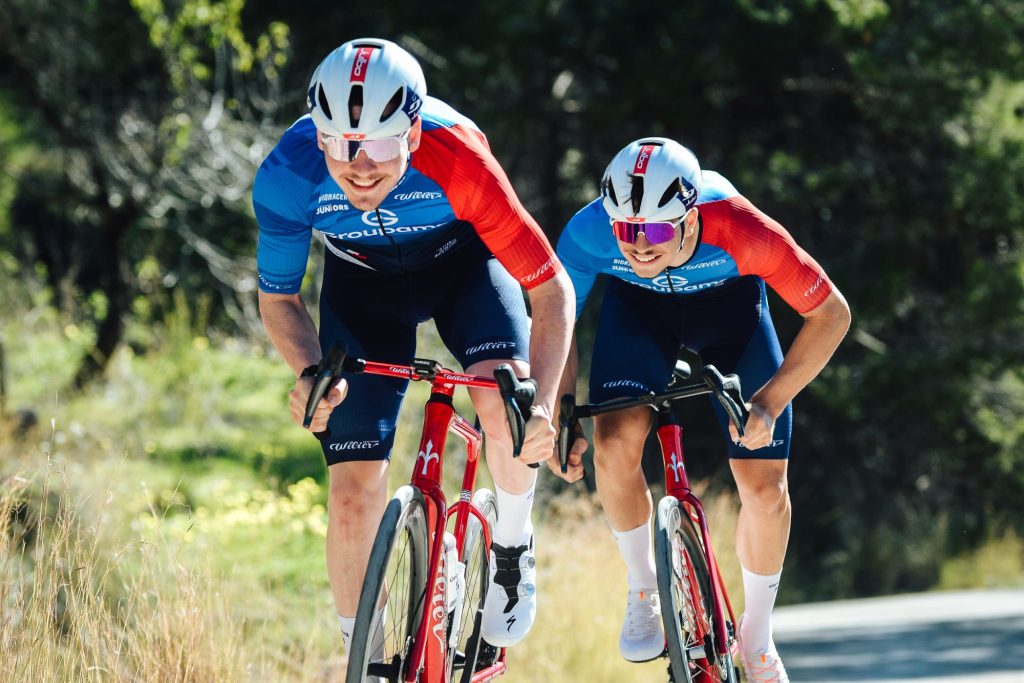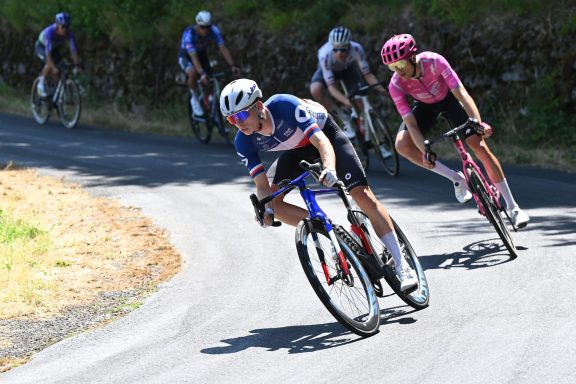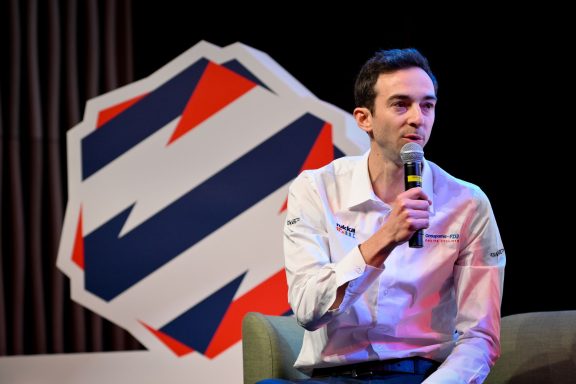


Since the opening of its season in mid-March, the Groupama-FDJ United Juniors Program has gradually found its feet. Four races and several gatherings have allowed the squad to build cohesion, which recently led to its first victory of the year. As the team reaches the midpoint of the season, Nicolas Boisson and Jimmy Turgis look back on these first months of competition and development while also looking ahead to what comes next.
A team in the making
“Our first half of the season has been very solid overall,” begins Jimmy Turgis, coordinator, and coach of the Juniors Program. “It’s important to remember that we are not a club, and the riders do not come together very often with the Groupama-FDJ United jersey. That can sometimes lead to minor issues, as we saw at Nokere Koerse. It was our first race of the season, with several new riders and first-year juniors, and we needed time for everyone to find their bearings.
They learned from that setback, and things improved gradually from there. In the end, Nokere Koerse was the only one of the four races we entered that did not go according to plan. It was more of a tactical issue than a physical one. In the following three races, we were proactive and competitive in terms of results. The riders were consistently among the best, but we needed to become more organized collectively.”
“In the second race, the Guido Reybrouck Classic, they already delivered a strong time trial, and we saw some positive things during the second stage as well,” Jimmy continued. “It wasn’t perfect, but the intent was there, and it resulted in a strong sixth place for Alban Picard. The team really started to come together, and that became even more visible during the sequence of Gent-Wevelgem and the 3 Days of Axel. Although the line-ups were not exactly the same, we could clearly feel the difference in terms of teamwork. At Gent-Wevelgem, Camille Alric-Thouvenin was first active at the front, then we took responsibility in trying to bring back the breakaway, which eventually led to Clément Le Fur finishing sixth in the sprint. Then, at the 3 Days of Axel, we finally secured the victory we had been chasing for quite some time. The riders have recently produced some excellent collective performances. There is always room for improvement, but this is exactly how I envision the Juniors Program.”
A first victory to build on
“At the 3 Days of Axel, we probably had the strongest team on the start line,” Jimmy explained. “Jules Lefebvre Fournier attacked on the first stage and finished fourth, gaining valuable time in the general classification. Behind him, we had organized a lead-out for Alban, who finished tenth and won the bunch sprint. That boosted everyone’s confidence.
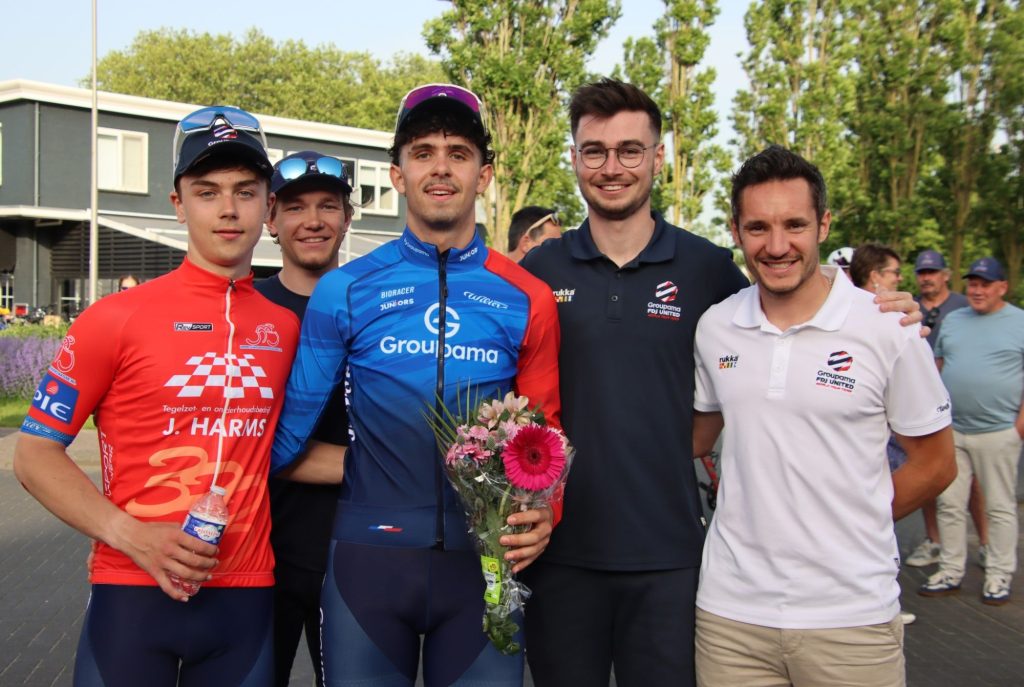
For the third stage, our objective was therefore to deliver a proper sprint finish for Alban by repeating what we had done the day before, but this time for the win! The riders executed the plan perfectly throughout the day, both on the cobbles and in the approach to the sprint. Augustin Fahy positioned Alban brilliantly, and Alban took a comfortable victory. It was the reward for tremendous teamwork, and it felt great for everyone to celebrate a win through Alban.”
© Junioren Driedaagse Axel
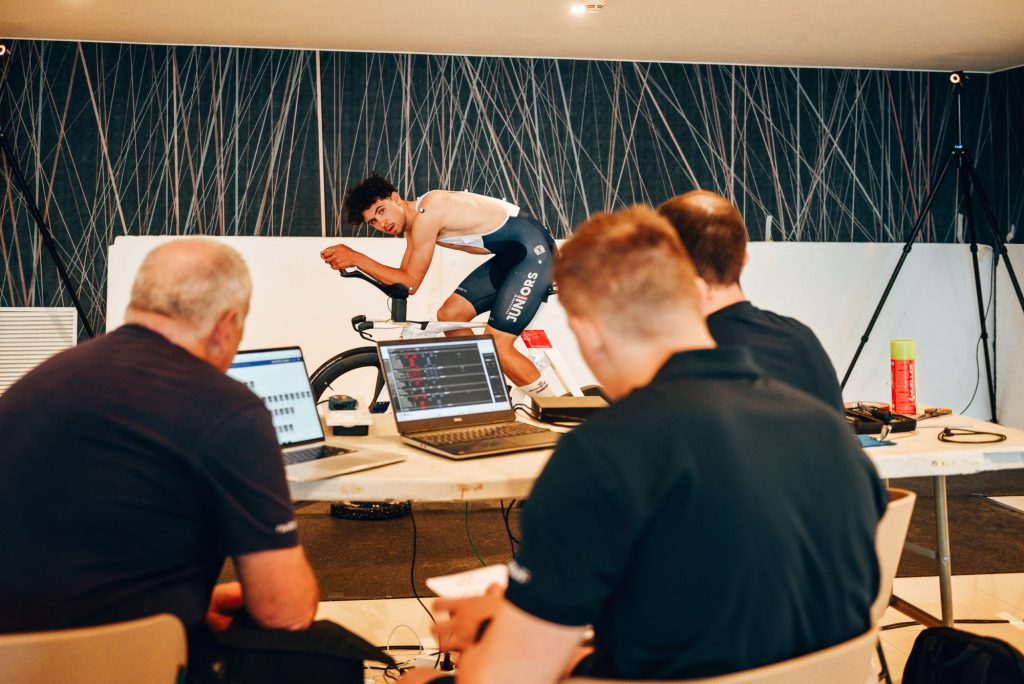
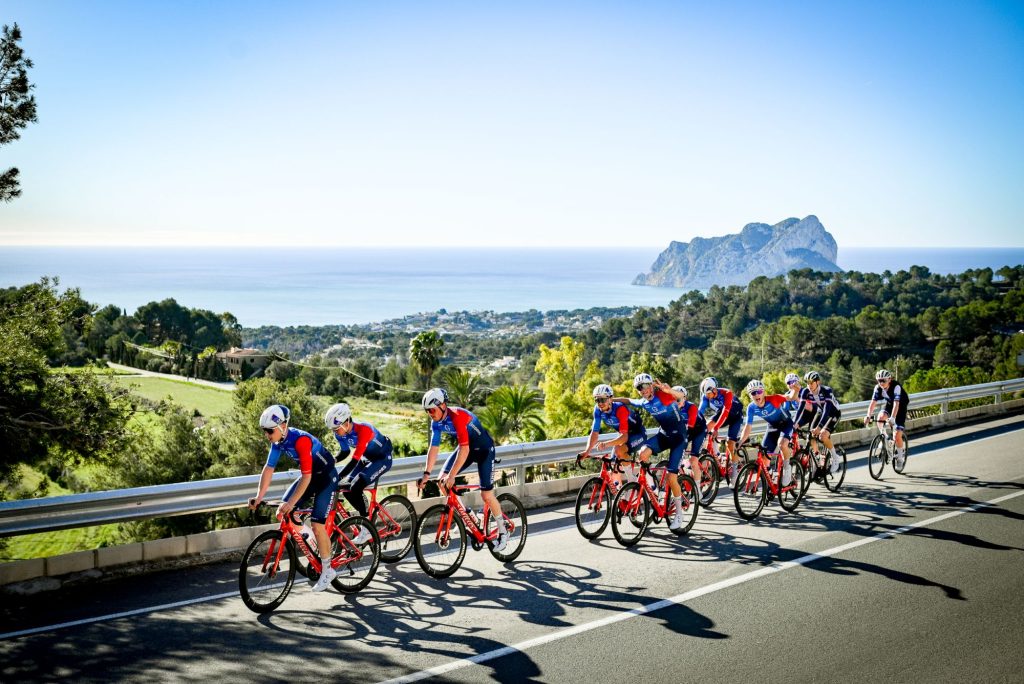
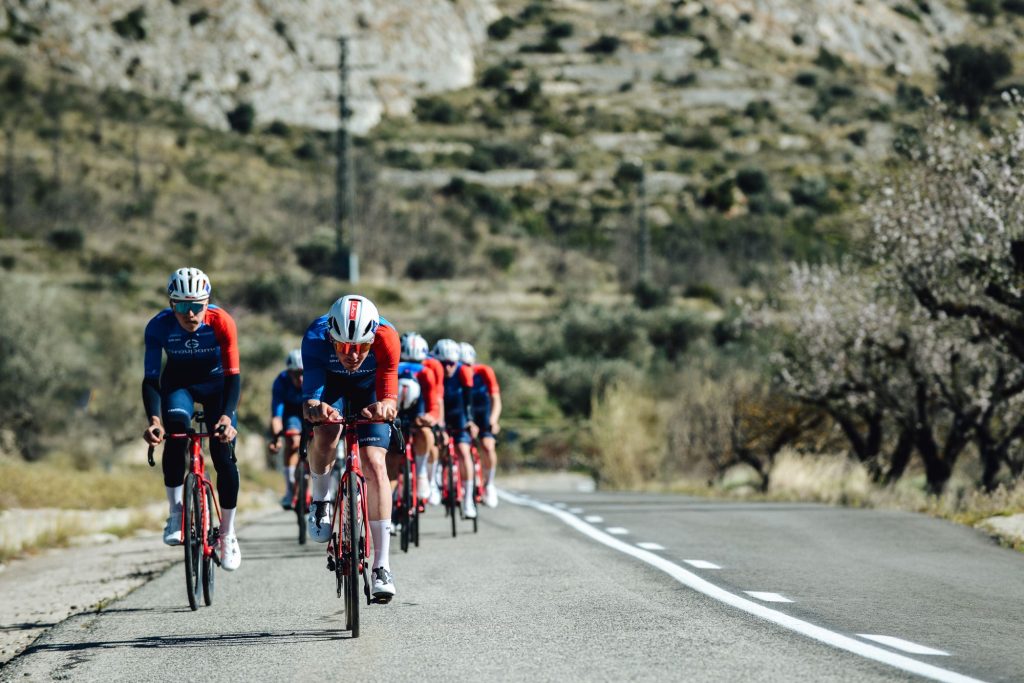
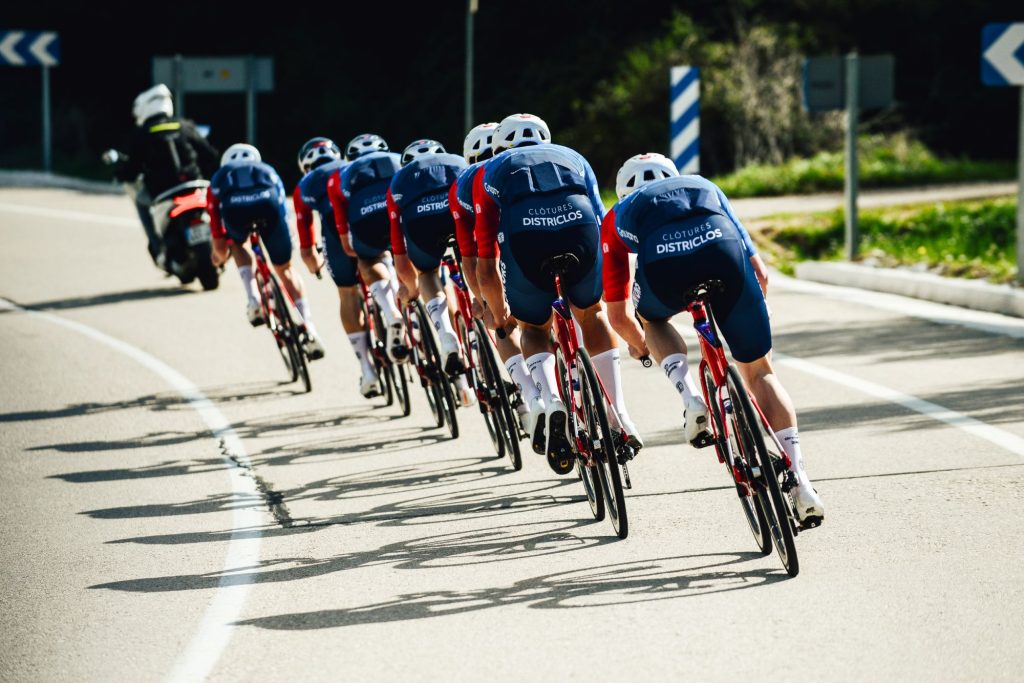
“Unfortunately, Jules lost his strong position in the general classification after a crash, which also affected him the following day. On the final stage, we made a small mistake. We were not attentive enough when a strong breakaway formed, and we spent the rest of the race chasing. It was frustrating because the stage suited us perfectly, and we would have liked to win it. That said, I am very pleased with the collective spirit and attacking mindset we have shown in recent races. The riders have fully met my expectations in terms of attitude. Physically, we have a very balanced group, everyone has made progress, and finally winning in this jersey is a major source of satisfaction”. “We are happy with the team’s start to the season, and it is a very promising generation,” added Nicolas Boisson, manager of “La Conti” and the Juniors Program. “We do not have a huge number of races on the calendar, but that has never been the team’s philosophy. Excellent work has been done both in competition and during our various camps: a team-building weekend, the training camp in Calpe, and the time-trial camp. The support we are providing to these young riders is meeting our expectations so far.”

Freedom and structure
“One of the team’s key objectives is to allow every rider to express themselves, which is why we try to change the line-ups as much as possible,” Nicolas explains. “Each rider, through their own qualities and role, is finding their place within the team,” Jimmy adds. “Step by step, we can see them truly thriving. They are ‘only’ juniors, so tactically speaking, our vision is not to lock everyone into a fixed role and always play the same card. What I like is seeing Jules in a breakaway at the 3 Days of Axel, Camille attacking at Gent-Wevelgem, Augustin contesting a final, and Alban sprinting for results. I like the fact that everyone gets opportunities because our primary mission is to develop them, and they need to learn how to race in different roles. That is extremely important. It has been working quite well recently, and they are beginning to understand that when they commit themselves to the team, individual rewards can follow too.”
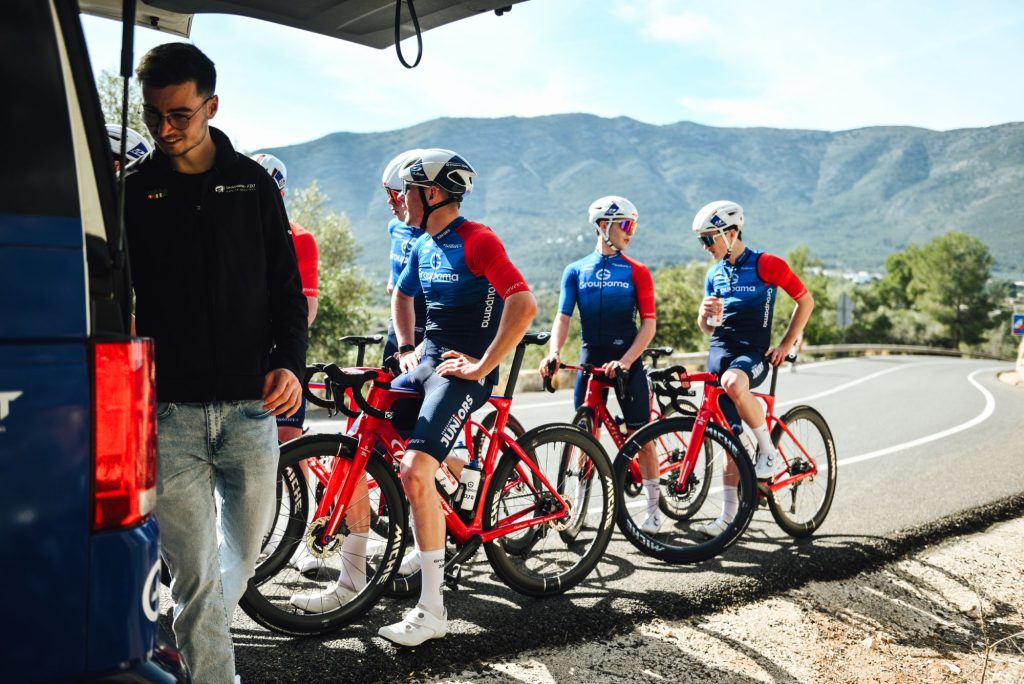
“As with “La Conti” and the WorldTour team, sporting results matter, but behaviour within the team is also extremely important,” Nicolas reminds us. “When riders are assigned specific roles, they need to understand and accept them. We certainly adapt to each individual rider because they are all different, but we also have rules and a framework. If a rider steps outside that framework, it means our model may not be right for them.
Our role is first and foremost to help them understand what it means to be a professional cyclist and what is expected of them. In 99% of cases, things go very well. If they win races and achieve strong results, that is excellent. But beyond that, we place great emphasis on understanding our philosophy and respecting both the staff and the environment we provide.”
Developing riders and young men
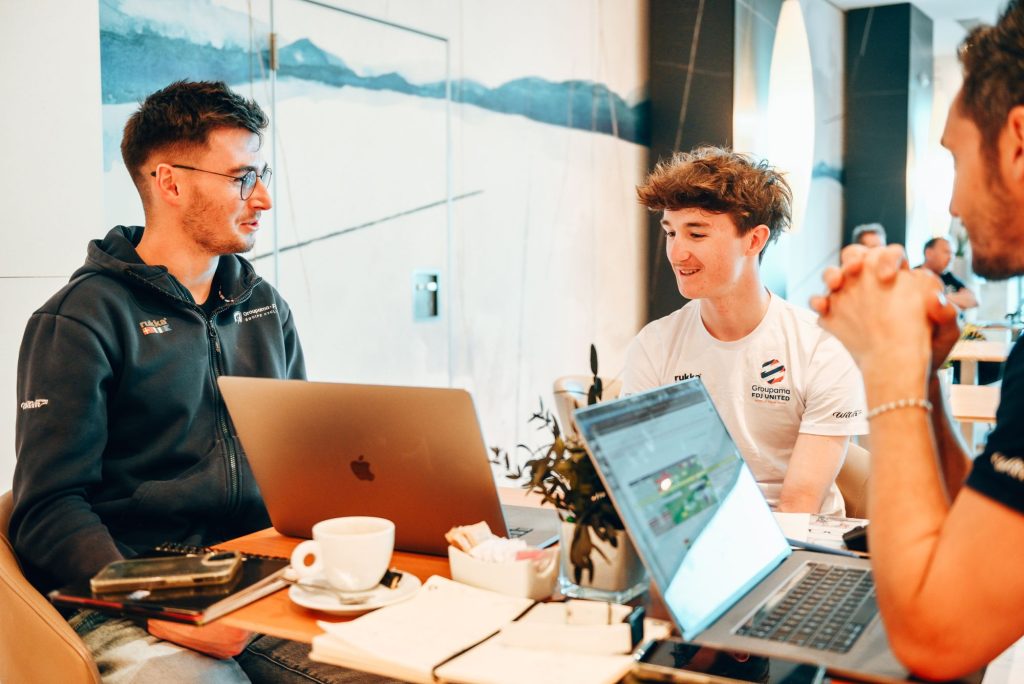
“As I always say, not all of them will become professional cyclists, which is why the success of their dual project is so important,” Nicolas says. “If they are succeeding at school, that is a major source of pride for us. It remains essential, which is also why we schedule very little activity during June, allowing them to focus fully on their final exams. They need to stay grounded because they are still very young. There will not be room for everyone in the professional ranks, and they need to be aware of that reality.
We provide them with a great deal of support, particularly in terms of equipment, but we also need to temper certain ambitions. That is not always easy, especially given the influence that family and surroundings can sometimes have. It is also one of the reasons we do not want to become a club or have them racing every weekend. At 16 or 17 years old, they are not professionals. We are here to provide them with strong foundations, particularly in training, but on other aspects we deliberately set limits.”
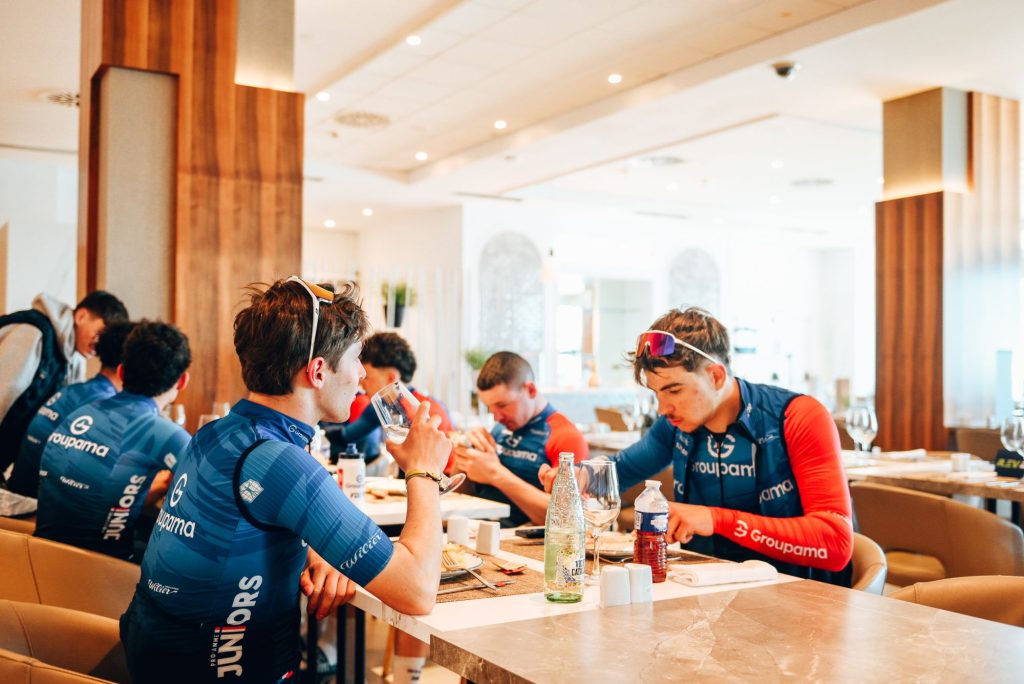
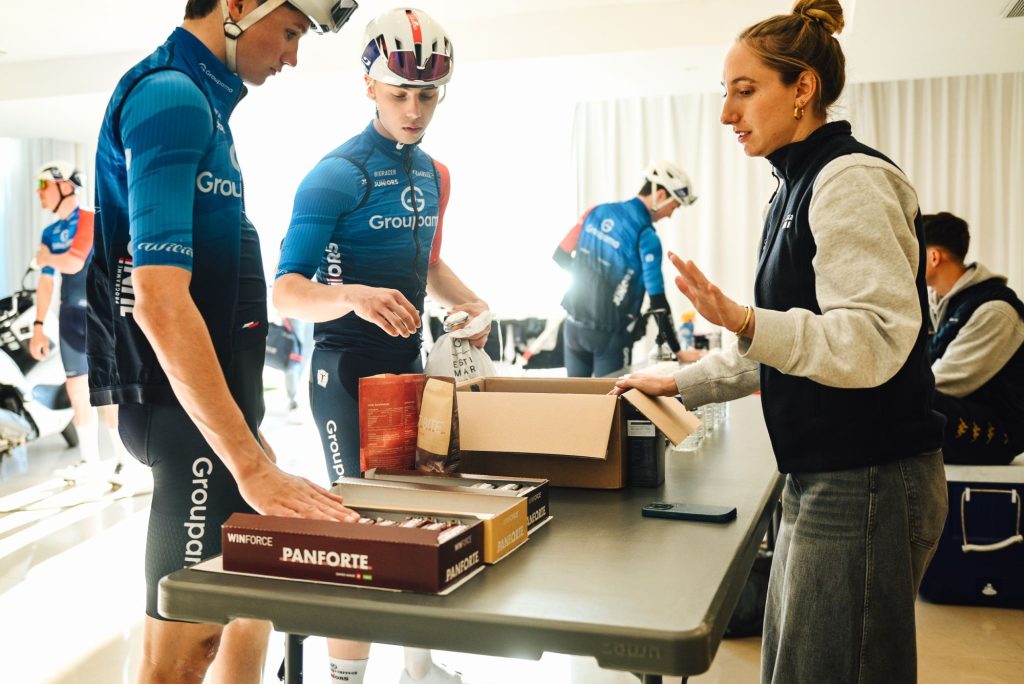
“On the other hand, we have significantly increased our focus on nutritional education compared to previous years,” Nicolas continues. “Nutrition is becoming an increasingly important topic, and we believe it is essential to educate young riders about it. It is invisible work, but we place a great deal of importance on it to ensure they do not make mistakes. With everything they can read online and on social media, it is easy for them to become confused. It is crucial to avoid extremes. If nutrition is not managed properly, riders can quickly gain too much weight or lose too much. We must remain vigilant, especially because they are still growing. Coaches and sports directors monitor the issues closely overall, and if problems are identified, we can always provide specific support, including psychological help if necessary. Every case is different.”
More challenges ahead
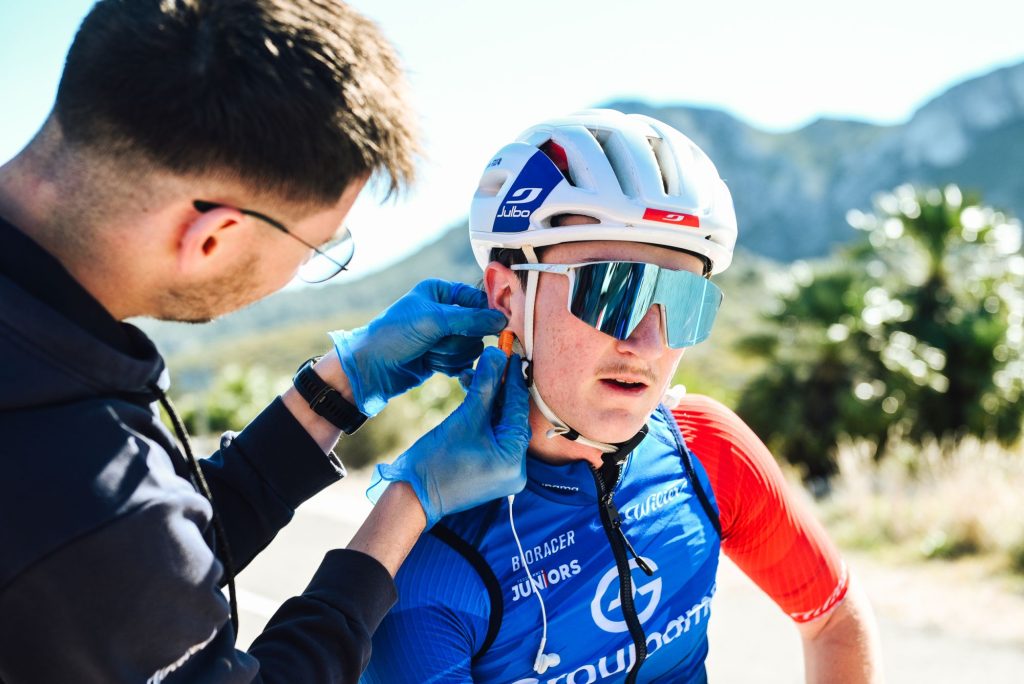
“The schedule will be a bit lighter during the second half of the season, although our calendar becomes much busier again from August onward with three races,” Nicolas adds. “The first priority, however, is making sure they remain fully focused on their final exams. July is important because of the French Championships, and we also want them to continue following their programs effectively with their clubs. From our side, even though some riders race more often than others with us, the goal is to ensure everyone benefits from the same level of support behind the scenes: whether in education, training, or assistance in the event of injury or setbacks.”
“As for areas of improvement during the remainder of the season, I would point to time trial,” Jimmy notes. “There is still another step to take, and that applies to all the riders. Everyone should be a level higher. We still have work to do, although it is mainly physical because we have already done a lot in terms of equipment and position. More broadly, we simply need to keep progressing and learning. Tactically, we still make mistakes from time to time, and it is also our responsibility to seize the opportunities to review situations and anticipate potential issues. Between August and September, we will race Aubel-Thimister-Stavelot, the Route des Géants, and the Keizer der Juniors. Of course, we would like to claim a second victory, but there is also a team time trial at Aubel. We would love to perform well there because it is a discipline that showcases a united and strong team. And that is exactly what we aim to build.”