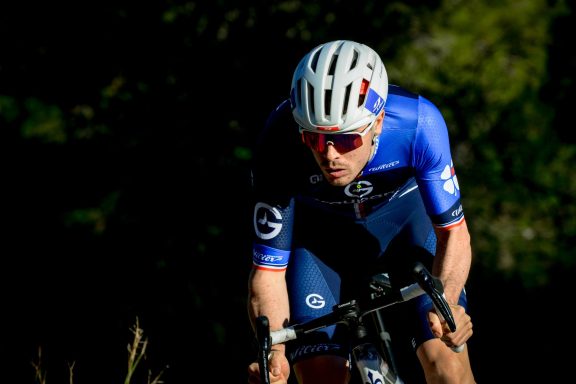

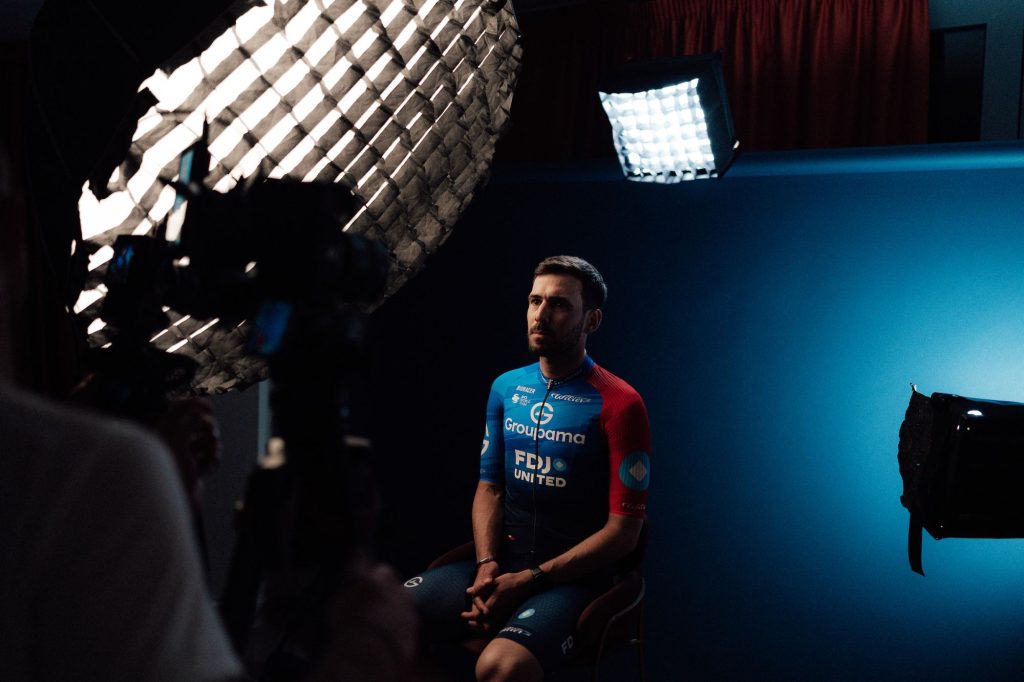
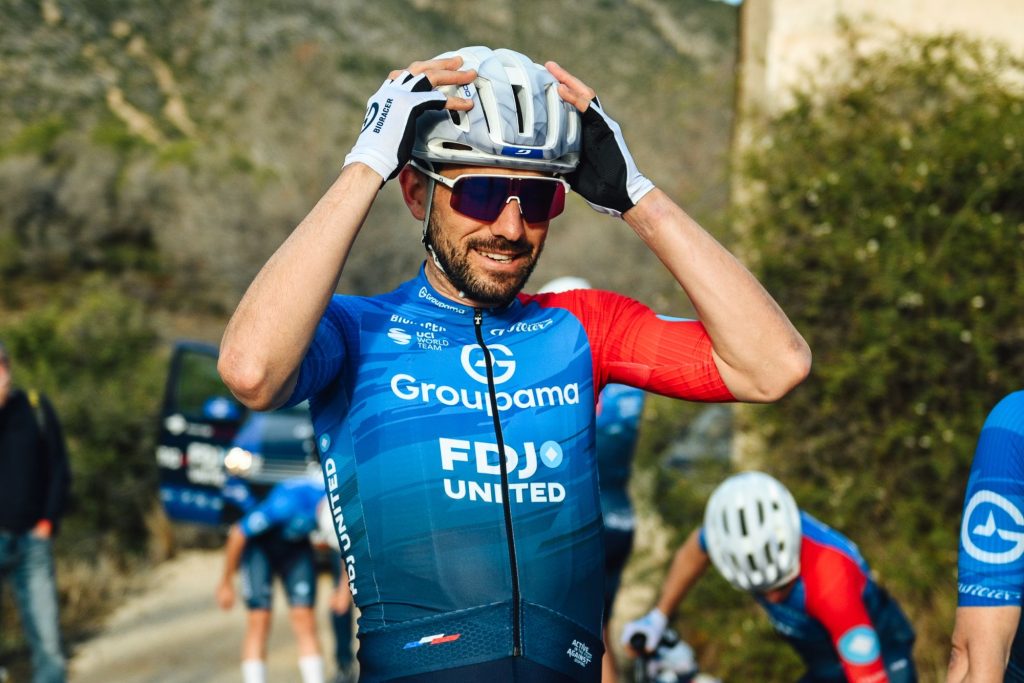
This is obviously not the start to the year that Olivier Le Gac had imagined. After suffering a fractured femoral neck on January 2, the experienced rider from Brittany missed the first four months of competition. Instead, he went through a long period of recovery, rehabilitation, and training, and will finally be able to start his season this weekend at the Grand Prix du Morbihan.
Olivier, how are you feeling just a few days before your return to racing?
Mentally, I feel good. I’m really happy to be able to pin on a race number again, to see where I stand and what I still need to do to get back to my level. I’m coming back with a shape that obviously isn’t great because I’m coming from quite far back, but I’ve worked hard. I hope my condition will allow me to finish races, which will also help me raise my level over the coming weeks.
“It was a big blow to my moral”
You suffered a fractured femoral neck on January 2. How did you react to the diagnosis?
I immediately understood that it was serious. I’m used to crashing on the bike, getting back up and going again, but I quickly realized I couldn’t move or walk. The X-ray revealed a displaced fracture of the femoral neck. At first, they told me I’d be out for a week, but after the operation, it became six. The surgeon looked quite serious and immediately warned me about the risk of necrosis and the possibility of needing a prosthesis if things didn’t evolve in the right direction. When I heard those words, it was a big blow to my morale. Beyond my career, I’m not even 33 yet, and I was afraid of being physically limited in the long term. I went through a difficult 24 hours, but I quickly switched my mindset, accepted the situation, and got my spirits back up. The frustration mainly came from the fact that I had no control over the healing process. I just had to wait and hope for the best. Several months have now passed, the latest X-rays are good, but I still have regular check-ups to make sure everything is progressing well.
What impact did this have on your daily life?
We had to completely reorganize things at home. In January, my daughter was only 18 months old, and my wife works. I had to set up my bedroom downstairs so I could still manage on my own when she wasn’t there. She had to take care of our daughter, her job, and also help me. Thankfully, she was there. Our parents and relatives also helped us, and fortunately so, because it would have been complicated without them. The first six weeks were very difficult.
How did your recovery and rehabilitation go?
I first spent six weeks without putting any weight on my leg, without setting my foot on the ground, and I lost a lot of muscle. Then I started walking again with crutches. At first, rehab was simply about learning to walk again without limping. I then did about ten days on the home trainer, and I was lucky that my return coincided with good weather, so I was quickly able to ride outside. I also did a lot of physiotherapy and strength training during my recovery, even when I couldn’t walk. I’d like to thank my physio, with whom I spent many hours. It was also necessary to rebuild strength in my left leg. With my coach Anthony Bouillod, we set up good, adapted weeks with progressive training. I’ve only been back to normal training for about two weeks. I can see from my power numbers that I’m improving. Now I hope that racing again will help me progress and that I’ll be almost back to my level within a month. That would be great. I’m motivated, I’m happy with what I’ve done, I’ve been well supported, and now it’s time to move on to the next step.
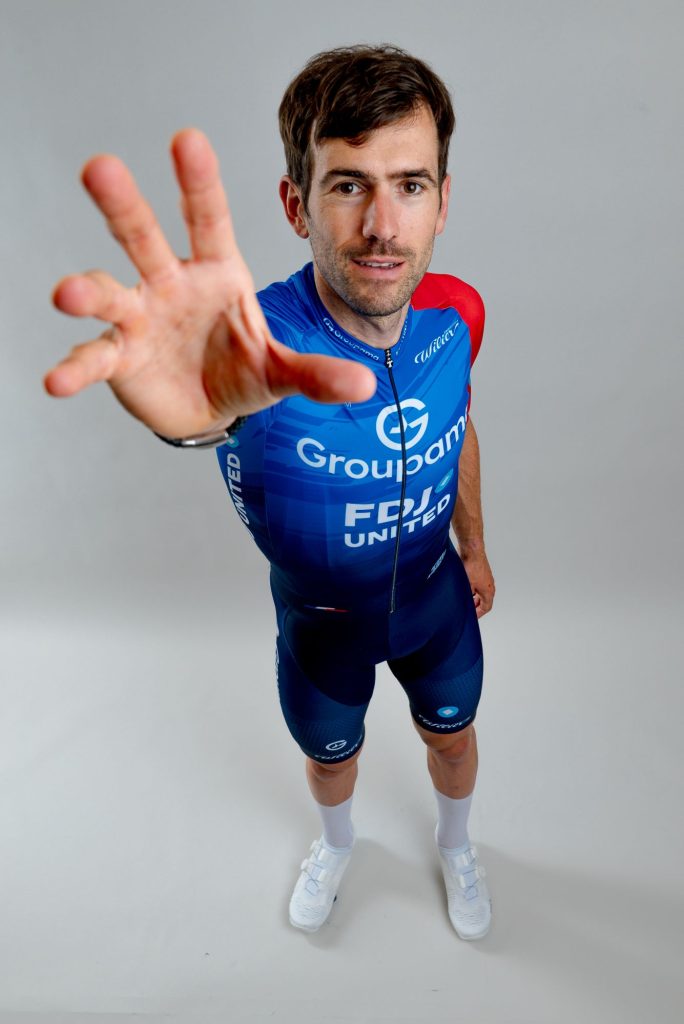
“You realize there are kind and caring people around you”
What kept you motivated during these months?
Starting physiotherapy quite early already helped me mentally, because I needed to work, to push myself, to still feel like a professional cyclist, even if I wasn’t riding. Once I got over the initial slump of the first 24 hours, I stayed optimistic and motivated for what was ahead. I closely followed my teammates’ season. I watched a lot of races and enjoyed following the guys. That said, it was more entertaining than motivating, because I wasn’t there, and I knew my goal was completely different from thinking about racing. It helped keep my mind busy. I stayed connected to cycling, to the team, I received calls and messages, and that did me good. Even riders I’m not in regular contact with sent messages to check in. It’s also in moments like these that you realize there are kind and caring people around you. That really helped me throughout my recovery.
How are you approaching your return to competition?
I’d like to be able to finish my first races, but the main goal is to get back into the rhythm of competition, the intensity, and my place in the peloton. I’ve trained well, but I haven’t competed against anyone, so it’s always difficult to know your level, especially against riders who already have several months of racing in their legs. I hope I won’t struggle too much and that I’ll improve, then set myself some goals and help the team as quickly as possible. Coming back in Brittany is a big bonus. I won’t have to cross France or go to another country only to potentially get “crushed.” I’m not far from home, these are roads I know, so it’s obviously a pleasure. Family and friends will come, especially my wife and daughter at the Tour du Finistère. In the end, some of the people who supported me over the past few months will be there, and that really warms my heart.