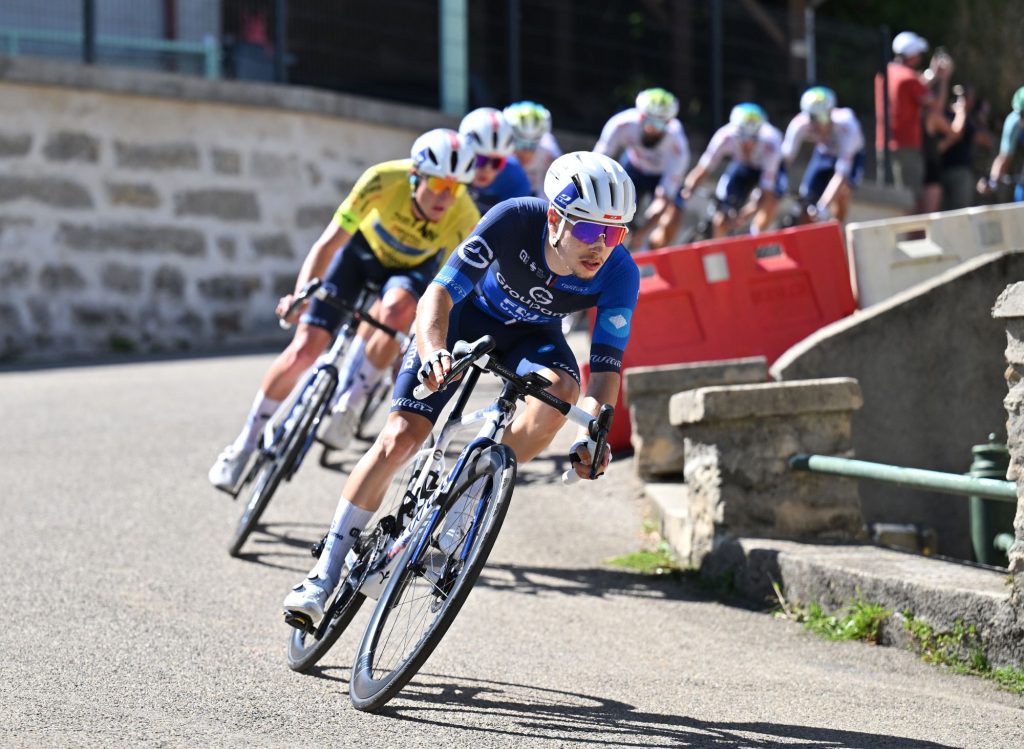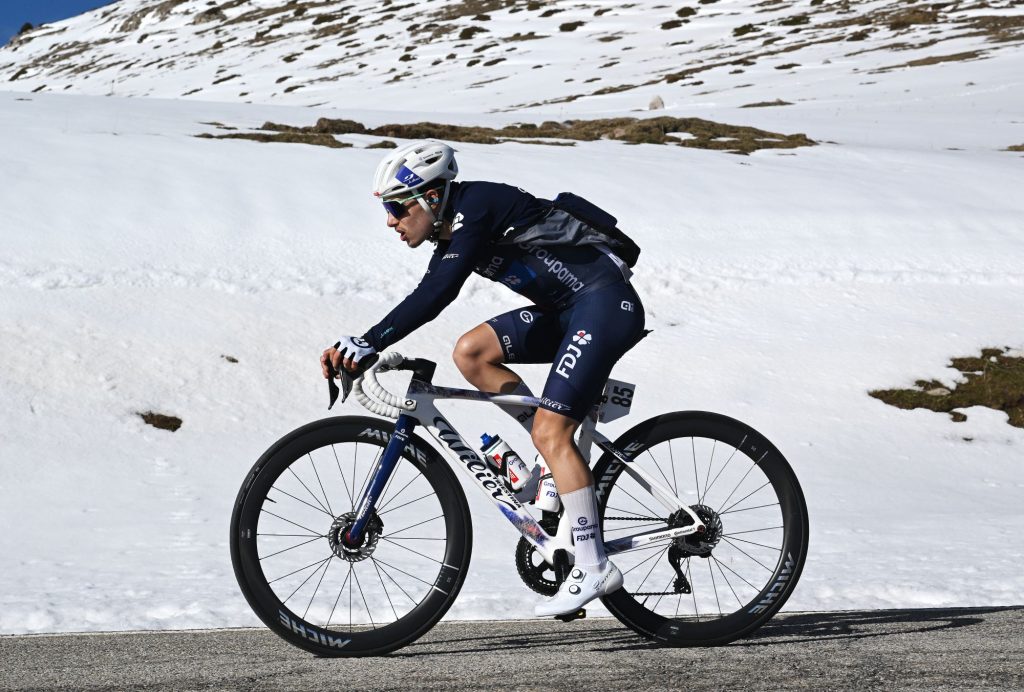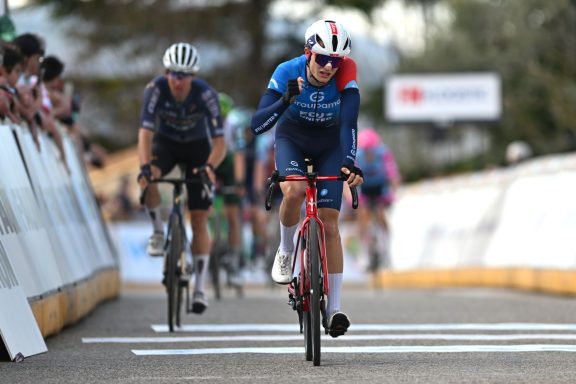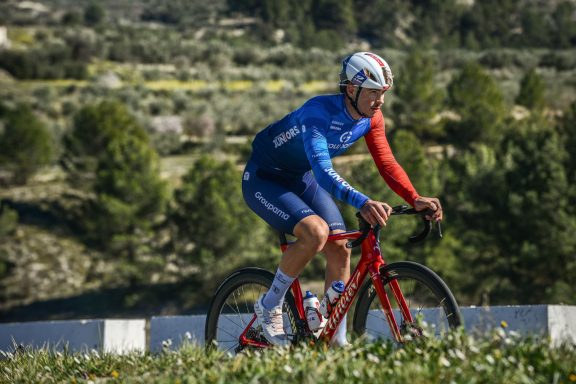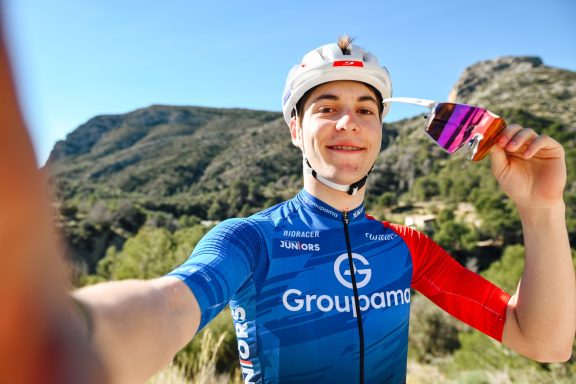

Almost a year ago, Clément Braz Afonso entered a whole new world: the WorldTour. By joining the Groupama-FDJ cycling team, the now 26-year-old puncher reached the elite of cycling, and he fully enjoyed it these past few months. Throughout the year, he also agreed to tell us about his experience through a Road Diary. Here is the sixth and final episode.
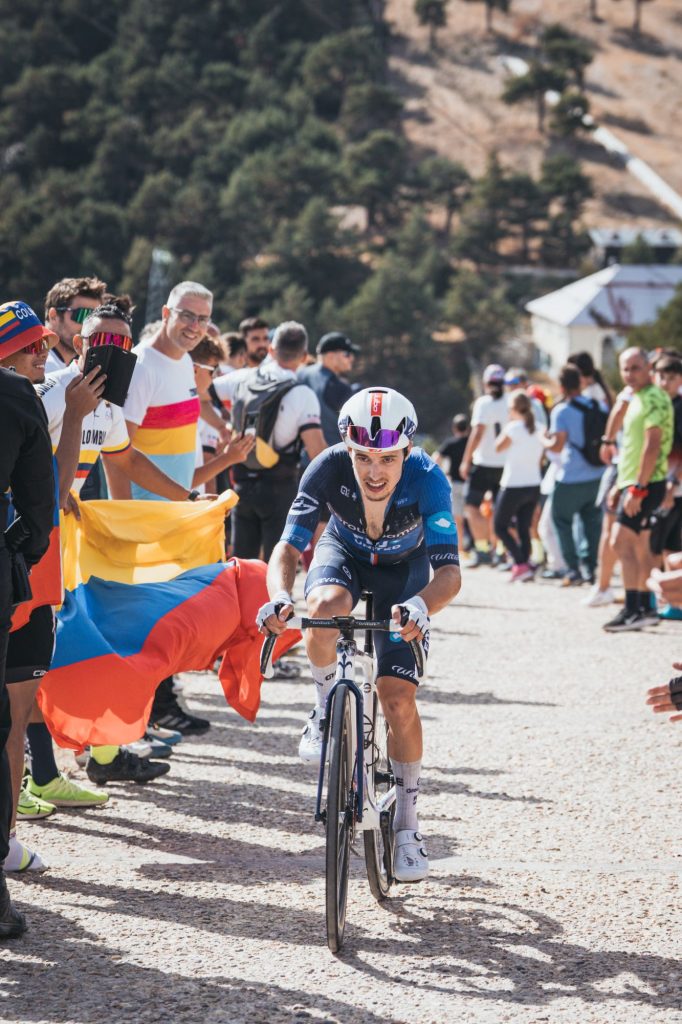
More than two months have passed since my last post, but I couldn’t end the year without one last account and a proper conclusion. The previous episode focused on the Vuelta a España, my first Grand Tour, and I must say that it wasn’t easy to get back to it after that. You can’t predict how your body will cope with a first Grand Tour, and what will become of you! I was obviously feeling a bit tired, I felt a slight pain in my adductor, but I managed to recover before the Italian campaign at the end of the season. For me, it started with the Giro dell’Emilia. It’s a great race, and the final circuit, with that climb to the Basilica of San Luca, is really beautiful! As for the race itself, it went pretty well. I was up there… until I wasn’t. I think I cracked three laps from the finish. I was still satisfied with my performance. That said, I expected to feel better in this post-Grand Tour period. It was alright, but nothing amazing. At the Tre Valli Varesine, I was again there, in the peloton behind Pogacar, but I was at the limit and I couldn’t play my card.
“It’s also important to remember what you did well”
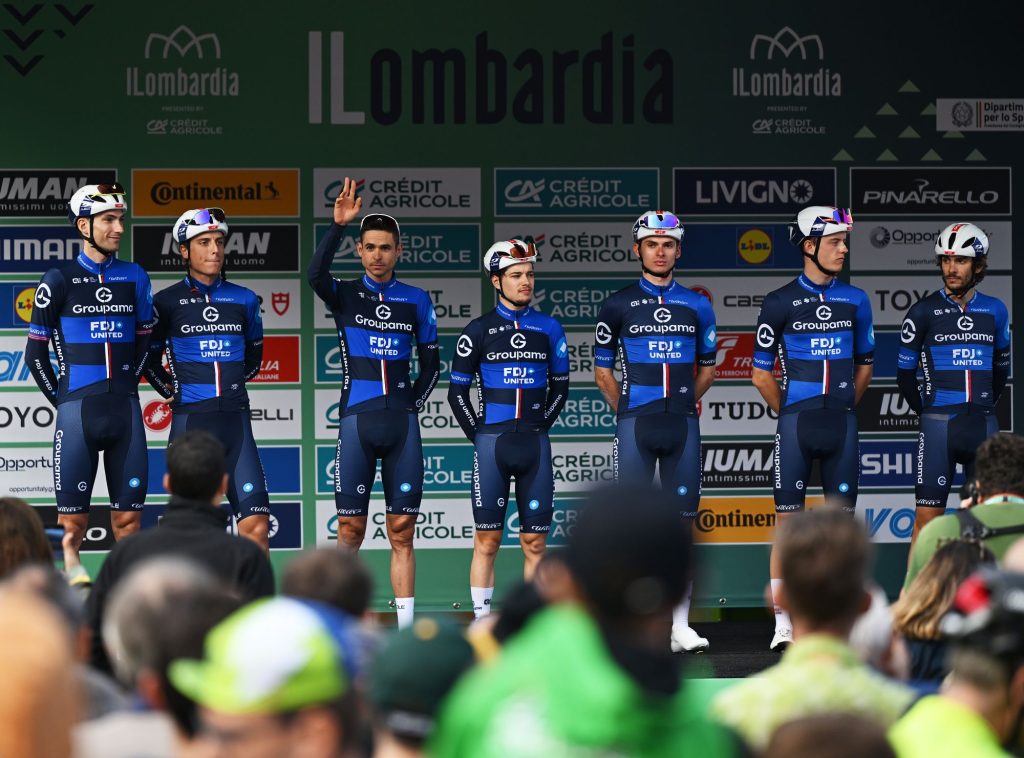
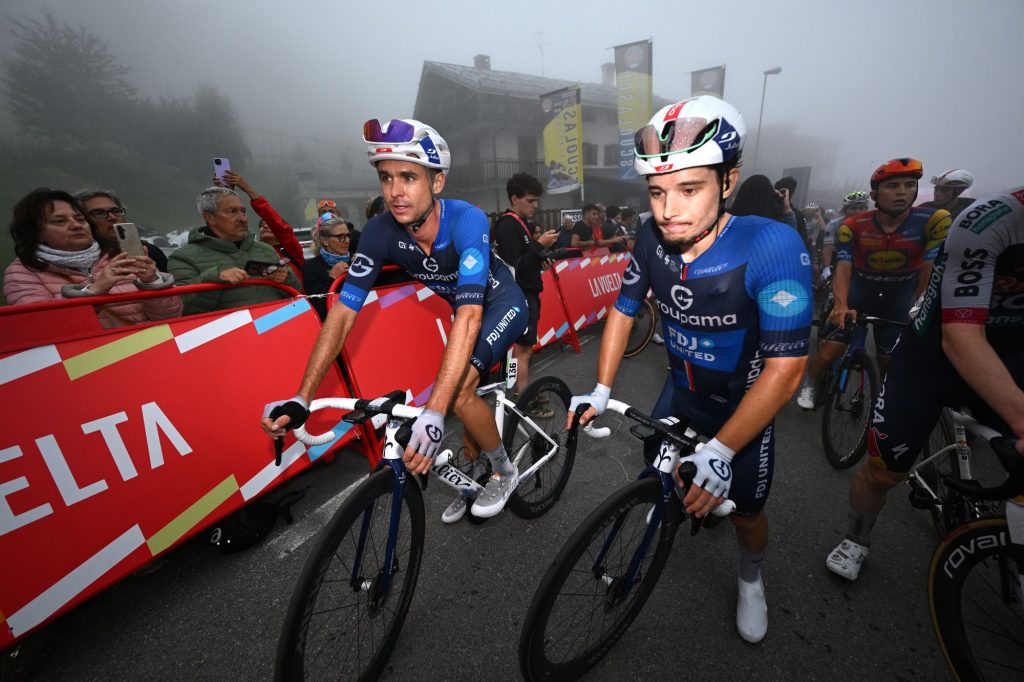
The final appointment of my season was Il Lombardia. I was incredibly excited to be competing in my first Monument, but reality wasn’t that simple. My goal was to get in the breakaway, we were expecting a big fight, but in the end, the first attack proved to be the right one. I didn’t panic, thinking the race would open up again, but nope, it was over. We could say I’d already started the race the wrong way, I was a bit gutted not to be at the front, and on top of that, I crashed after about thirty minutes. We hadn’t even tackled a climb yet… I struggled to recover from it.
Yet, when I got up, I didn’t feel like I had any issues, but I quickly realized that the crash had taken its toll. My legs felt like jelly. I pushed on anyway and covered the next climb. I didn’t have to, but I boosted myself, and after that, I withdrew. I would have liked to finish the race, but when you’re too far back, it doesn’t really make sense, and I realized it probably wasn’t a good idea. Besides, I don’t think I could have finished within the time limit.
Abandoning my first Monument is obviously not the end to the season I had dreamed of, but I wanted to stay on the positive note with my Vuelta and the two previous races, where I wasn’t that bad. That was some consolation. Sometimes you need to be hard on yourself, but sometimes it’s also important to remember what you did, and what you did well. I’ve also been asked a lot, “How was Lombardy?”, and although I couldn’t go as far as I would have liked, I had time to notice how insane the level of competition was. It was no joke, not at all. The only thought that came to mind when I saw the level of these guys was “wow.” Seriously, “wow.” I feel like everyone is super strong in this kind of race. I had shown on the Vuelta that I was doing pretty well, but in Il Lombardia, I honestly thought, “What the hell is this?” Sure, I had crashed, but the level was still amazing. I remember going to see Rudy, who’s a specialist of post-Grand Tours, and asking him how he was feeling. He said, “It’s going well, it’s going smoothly.” I told him I was flat-out, and I probably wasn’t the only one. It is in these moments that I realize the huge difference that can still exist, especially in these major events.
“I’m not sure I would have believed I could do such a season”
After Il Lombardia, we headed to Besançon, where I was starting my end-of-season interviews the next day. It was vacation time, but not quite yet. In fact, my schedule changed because I was potentially heading to the Giro del Veneto. Guillaume ended up going, and I ended my stay in Besançon on Tuesday evening. Besançon is the place where we meet up at the end of the season for various types of interviews, whether with our coach, the sports directors, or the mental coach. We take the opportunity to have general discussions about the season, to do bike fittings, photo shoots, and all sorts of medical exams. It’s also the opportunity for us to finish the season in a good way with the guys we’ve ridden with all year. We spend some time together; we try to enjoy ourselves. What I can say about the meetings is that both the team and I were pleasantly surprised by my first WorldTour season. If you’d told me that last year, I’m not sure I would have believed I could do such a season. We also talked a lot about the future, both in terms of my relationships with the team and my sporting performance. It was very constructive and positive.
After that, it was the real break, and I’d say I didn’t think about my season much from then on. I really took advantage of the time we had in Besançon to debrief properly. I didn’t want to spend the whole winter dwelling on things. It was good to discuss things with the people I needed to discuss them with and leave it there. I don’t think it was necessary to overanalyze the situations. These meetings allowed us to compare different perspectives and lay the groundwork for areas to work on in the future. That was essential. Apart from that, I finished the season with seventy days of racing, whereas I had never even reached fifty before. Yet, I feel like I handled it quite well. The break was obviously welcome, but I didn’t feel physically completely exhausted. Ultimately, it’s perhaps more the mental aspect that plays a role, because with seventy days of racing, you’re away from home much more, and that’s something you also need to recover from.
“My worst memory isn’t the one people think of”
From this first season in the WorldTour, I also learned that you really need to find time to revitalize, because these seasons are much more grueling compared to what I’ve experienced in the past. You need to make good use of downtime. Naturally, I’ve also evolved a bit as a rider. In the past, I was more of a “follower.” This year, in a Grand Tour like the Vuelta, there was the possibility of getting into a breakaway every day. You need to show fighting spirit each day to try and get in and achieve something. I also feel a physical improvement. I can see it a bit in my numbers, but I notice it even more in the repetition and length of the races. I understood this while doing the Vuelta.
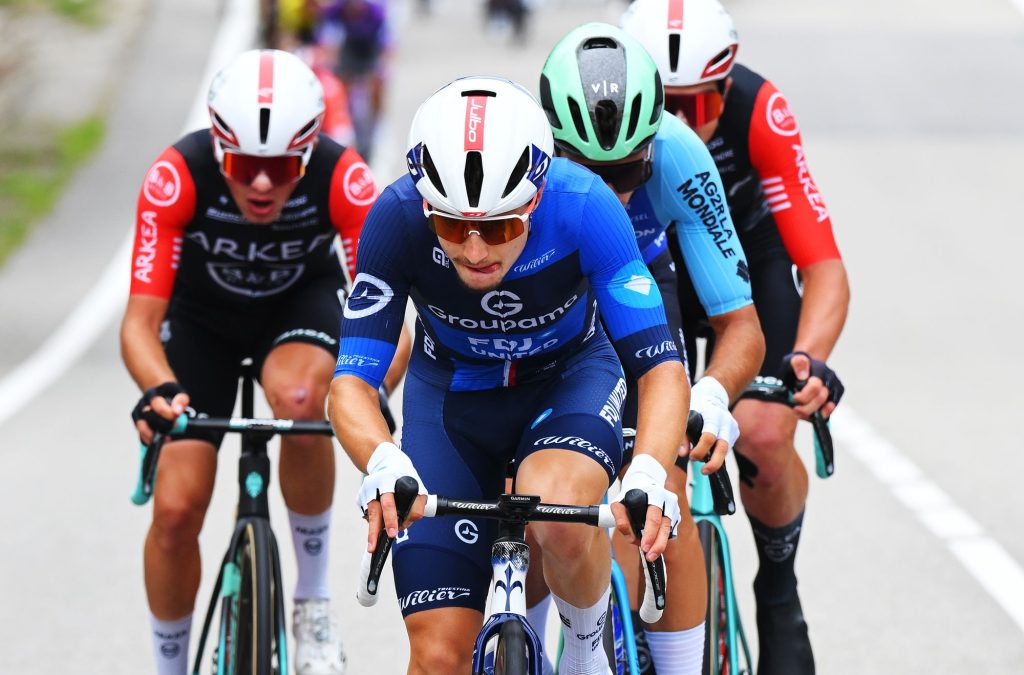
When I think about it now, I still wonder how I did it. It was so crazy to race and get back to business for three weeks. I’m sure I’m capable of doing it again, but I’m having a little trouble processing it. Maybe because it seems so far from what I thought I’d be capable of before this year. Or maybe it’s because I’ve only just gotten back on the bike after the break and I’m not at the same level at all!
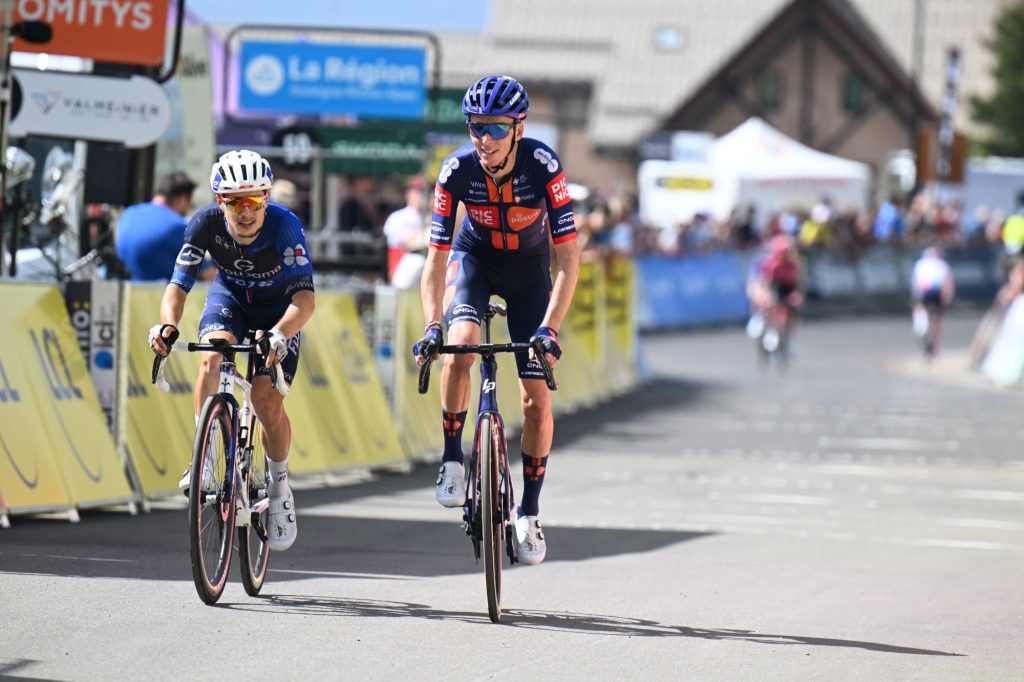
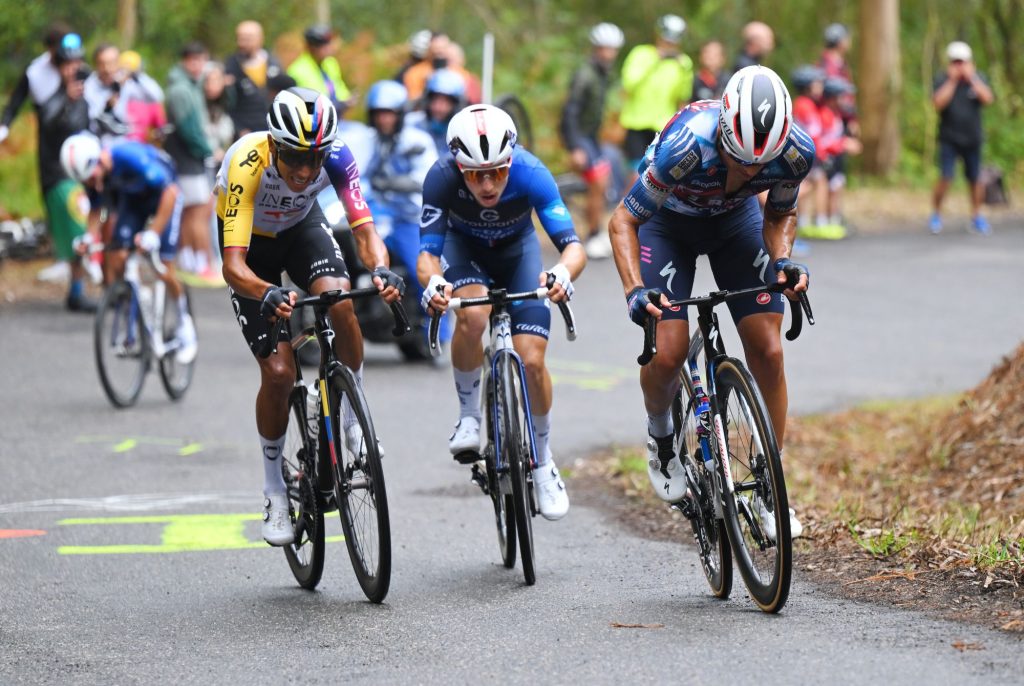
A few days ago, the Entente Vélo Bretenoux-Biars, the club where I started cycling, held its annual general meeting. Unfortunately, I couldn’t attend, but the club’s youngsters wanted to put together a video and had sent me some questions to answer. They asked me about my three best memories and my worst memory. Among the best, I first mentioned David’s victory in Oman, as it was the very first victory I experienced as a teammate, and it meant a lot to me. I’ve been lucky enough to experience some others, and I’ve always wanted to make the most of those moments. I also mentioned my parents’ and sister’s visits to the French National Championships and the Vuelta a España, as well as my breakaway with Bernal and Landa. They asked for three good memories, but I gave four (that’s so typical of me). I added the stage finish at the Critérium du Dauphiné with Romain Bardet for his retirement. That was also great. As for my worst memory, it’s not the one people think of. Everyone keeps talking to me about that puncture at the Vuelta, but honestly, I suffered much more from my poor form at the Tour de l’Ain.
“You have to enjoy every moment you’re lucky enough to experience”
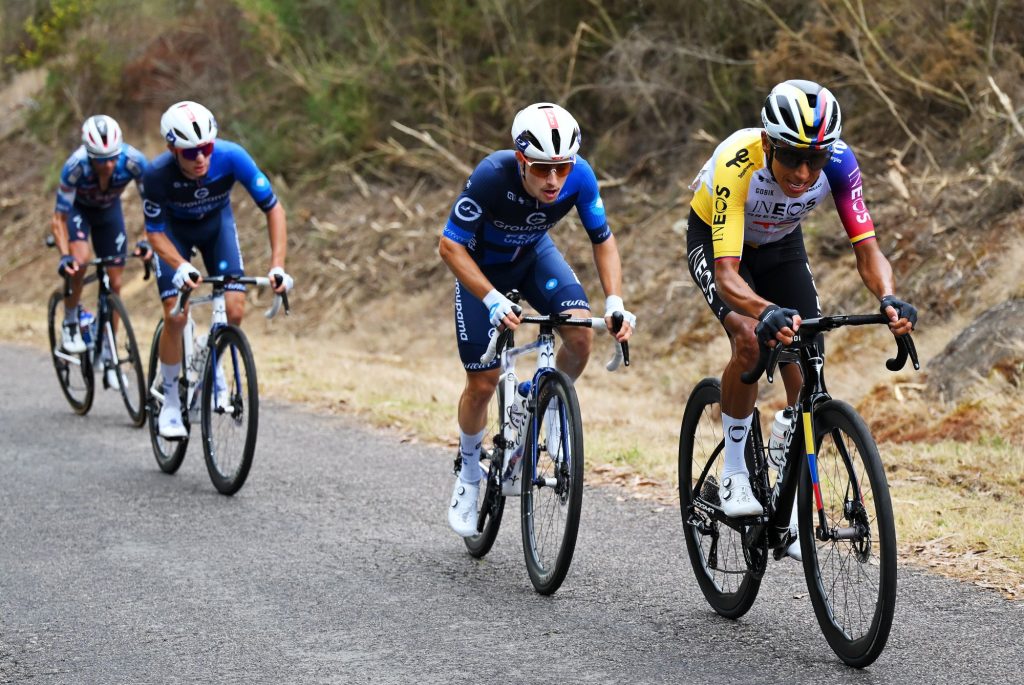
For me, the breakaway with Bernal and Landa remains an incredible memory. It’s probably the performance I’m most proud of. The other performance that has stayed with me, and which I was recently discussing with a colleague while riding, was the Tour du Doubs. That day, given how the race unfolded, I felt like I had taken a step forward. I attacked with forty kilometers to go, went off chasing on my own, got caught, but I didn’t crack. I even found myself contesting the win in the final with Guillaume and managed to get a result (fourth).
Overall, I’m satisfied with what I showed, and I’ve learned from this season that you have to seize opportunities when they’re there, but there’s no point dwelling on them once they’re gone. It’s the famous “pants” episode of the Vuelta, which you can find in the previous episode. I don’t know how many years I’ll be in the WorldTour, but you have to enjoy every moment you’re lucky enough to experience, because you realize they might not come again. I talked a lot about Rudy in a previous episode. He has fifteen years of experience, he’s kind of like a father figure to me on the team, and I think he also realizes how quickly it all went by.
While my first WorldTour year was nothing like my previous seasons, my first WorldTour break wasn’t really any different from what I was doing before. It was perhaps a little longer, as I took five weeks off, but it was necessary to get back on track. I took the opportunity to visit friends around France. It’s important for me to maintain these connections outside of cycling because they’re the ones that will stay with me after my career. My life moves on and evolves, that’s for sure, but I’m committed to staying connected to the people who supported me and were by my side when I was still an amateur. I visited Paris, Metz, Thionville, Montbéliard, Besançon, and Dijon. All by train, which is a huge advantage when you don’t have a bike like you do the rest of the year. I was gone for almost two and a half weeks, then I went to Rome with my girlfriend, and I took advantage of being in Nice during the break. It was actually when I got back under the Nice sun that the desire to get back on my bike reappeared. I resumed riding in mid-November after not having touched my bike AT ALL for five weeks. The first part of the preparation is quite easy, but there’s still a bit of physical training. This sometimes makes for very busy days, but I hope fruitful ones for 2026!
“A way to keep a record”
And so ends my last Road Diary of the year. From my first year in the WorldTour. Through these accounts, I wanted to tell you what a full season at this level was like, with its highs and lows, the everyday adventures, the racing moments, and to share things that might seem ordinary but aren’t always talked about. My aim was to introduce this world to both the general audience and the die-hard fans. I hope you found it interesting and enjoyable. Personally, I took great pleasure in sharing the world of the WorldTour with you, a world I was discovering little by little myself. This Road Diary is an entry point for you, but I recently realized that it was also, on a personal level, a way for me to keep a record of this very special year. To some people who ask me about my job, I sometimes say, “If you’re interested, you can check out the short series on the team’s website.” It’s the perfect format if someone wants to get to know me, or this world, a little better.
Finally, I want to thank the Groupama-FDJ cycling team, because it’s thanks to them that I’m experiencing all these moments. I was just talking about it recently with a cycling mate, and I told him how lucky I felt to have had the opportunity to join the team after my season in Nantes, because I wasn’t exactly overflowing with options. I may have shown that I belonged at this level, but when they signed me, it was still a gamble. So I want to thank the team for that, and for the opportunities that have been given to me. It’s obviously a job, but it’s also a passion, and being able to make a living from it, travel, and see different places is incredibly rewarding. Perhaps one day there will be a sequel to this Road Diary. If I’m lucky enough to raise my arms in victory, for example! Until then, thank you for reading and joining me. See you soon, either on the road or in a future story!